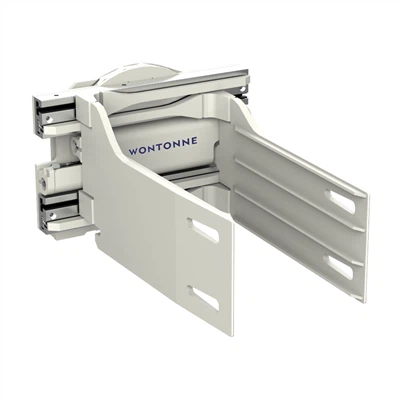
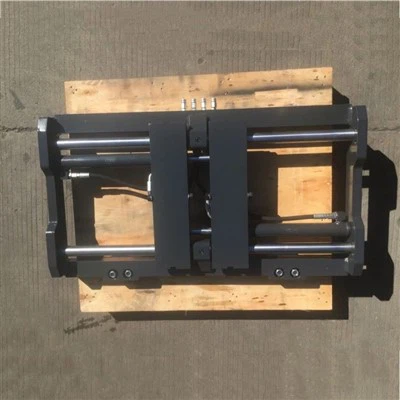
The operating temperature range of fork positioners is a crucial factor that significantly impacts their performance, reliability, and longevity. As a reputable supplier of fork positioners, we understand the importance of this parameter and strive to provide our customers with products that can operate effectively across a wide spectrum of temperatures.
Understanding the Basics of Fork Positioners
Fork positioners are hydraulic attachments used in forklifts to adjust the distance between the forks quickly and easily. This feature enhances the efficiency of material handling operations by allowing operators to handle different pallet sizes without manually adjusting the forks. Our product line includes the G Series fork Positioners, H Series fork Positioners, and E Series fork Positioners, each designed to meet specific customer needs and operating conditions.


Importance of Operating Temperature Range
The operating temperature range determines the environmental conditions in which the fork positioner can function optimally. Extreme temperatures, whether too hot or too cold, can have detrimental effects on the performance and durability of the equipment.
Effects of High Temperatures
- Hydraulic Fluid Degradation: High temperatures can cause the hydraulic fluid in the fork positioner to break down more rapidly. This degradation reduces the fluid's lubricating properties, leading to increased wear and tear on the hydraulic components such as pumps, valves, and cylinders. As a result, the fork positioner may experience reduced efficiency, slower operation, and even hydraulic system failures.
- Seal Damage: The seals in the hydraulic system are designed to prevent fluid leakage. However, high temperatures can cause the seals to expand, harden, or become brittle. This can lead to seal failure, resulting in hydraulic fluid leaks and potential loss of pressure, which can compromise the proper functioning of the fork positioner.
- Component Expansion: Metal components in the fork positioner can expand at high temperatures. This expansion can cause misalignments, increased friction, and stress on the mechanical parts. Over time, this can lead to premature wear, reduced accuracy in fork positioning, and even structural damage.
Effects of Low Temperatures
- Viscosity Increase: Hydraulic fluid becomes more viscous at low temperatures. This increased viscosity makes it more difficult for the fluid to flow through the hydraulic system, resulting in slower operation of the fork positioner. The increased resistance can also put additional strain on the hydraulic pump, potentially leading to pump failure if the system is not designed to handle the higher load.
- Brittleness of Materials: Cold temperatures can make the metal components of the fork positioner more brittle. This increases the risk of cracks and fractures, especially when the equipment is subjected to sudden shocks or impacts during normal operation.
- Seal Contraction: Similar to the effects of high temperatures on seals, low temperatures can cause the seals to contract. This can lead to gaps and leaks in the hydraulic system, reducing the overall performance and reliability of the fork positioner.
Typical Operating Temperature Ranges
Our fork positioners are engineered to operate within a specific temperature range to ensure optimal performance and reliability. Generally, the standard operating temperature range for our products is between -20°C (-4°F) and 60°C (140°F).
However, we also offer specialized models that can withstand more extreme temperatures. For customers operating in extremely cold environments, such as cold storage warehouses or outdoor applications in polar regions, we have fork positioners designed to operate at temperatures as low as -40°C (-40°F). These models are equipped with special hydraulic fluids and seals that are formulated to perform well in cold conditions.
On the other hand, for applications in hot climates or industrial settings with high ambient temperatures, we can provide fork positioners that can operate at temperatures up to 80°C (176°F). These models feature enhanced cooling systems and heat-resistant materials to mitigate the effects of high temperatures on the hydraulic system and other components.
Ensuring Optimal Performance in Different Temperatures
To ensure that the fork positioner operates effectively within the specified temperature range, proper maintenance and operating procedures are essential.
Maintenance
- Regular Fluid Checks and Changes: It is important to regularly check the hydraulic fluid level and quality. Fluid should be changed at the recommended intervals to prevent degradation and ensure proper lubrication. In high-temperature environments, more frequent fluid changes may be necessary.
- Seal Inspection and Replacement: Regularly inspect the seals for signs of damage, wear, or leakage. Replace any damaged seals promptly to prevent hydraulic fluid loss and maintain the integrity of the hydraulic system.
- Component Lubrication: Ensure that all moving parts of the fork positioner are properly lubricated. This helps to reduce friction and wear, especially in high-temperature conditions where lubricants can evaporate more quickly.
Operating Procedures
- Warm-Up and Cool-Down: In cold temperatures, it is advisable to allow the fork positioner to warm up before full operation. This can be done by slowly cycling the forks a few times to allow the hydraulic fluid to reach a more optimal viscosity. Similarly, in hot temperatures, avoid overworking the equipment for extended periods to prevent overheating.
- Monitoring Temperature: Use temperature sensors or gauges to monitor the operating temperature of the fork positioner. If the temperature exceeds the recommended range, take appropriate measures such as reducing the workload, increasing ventilation, or using cooling systems.
Customization for Specific Temperature Requirements
We understand that different industries and applications may have unique temperature requirements. That's why we offer customization options for our fork positioners to meet the specific needs of our customers.
- Hydraulic Fluid Selection: Depending on the operating temperature range, we can select the most suitable hydraulic fluid for the fork positioner. For cold environments, we use low-viscosity fluids with excellent cold flow properties, while for hot environments, we choose high-temperature-resistant fluids.
- Seal Materials: We can also customize the seal materials based on the temperature conditions. For extreme temperatures, we use specialized seals made from materials that can withstand the thermal stresses and maintain their integrity.
- Cooling and Heating Systems: In some cases, we can install additional cooling or heating systems to regulate the temperature of the hydraulic fluid and other components. For example, in hot environments, we can add a hydraulic oil cooler, while in cold environments, we can install a fluid heater.
Conclusion
The operating temperature range of fork positioners is a critical factor that directly impacts their performance, reliability, and lifespan. As a leading supplier of fork positioners, we are committed to providing our customers with products that can operate effectively in a wide range of temperatures. Our G Series fork Positioners, H Series fork Positioners, and E Series fork Positioners are designed and engineered to meet the diverse needs of our customers, whether they are operating in normal or extreme temperature conditions.
If you are in the market for high-quality fork positioners and need a product that can perform optimally in your specific temperature environment, we invite you to contact us for a detailed discussion. Our team of experts will be happy to assist you in selecting the right fork positioner and providing customized solutions to meet your requirements.
References
- "Hydraulic Systems: Design, Installation, and Maintenance" by John F. Watson.
- "Materials Science and Engineering: An Introduction" by William D. Callister, Jr. and David G. Rethwisch.
- Industry standards and guidelines for forklift attachments and hydraulic systems.