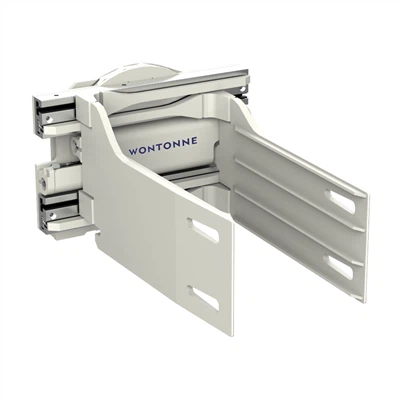
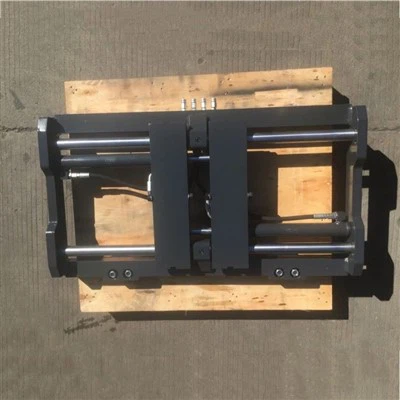
As a supplier of Pallet Converters, I often get asked about the payback period for these innovative pieces of equipment. Understanding the payback period is crucial for businesses considering an investment in pallet converters, as it helps in making informed financial decisions. In this blog, I'll delve into the factors that influence the payback period of pallet converters and provide insights to help you estimate it for your specific situation.
What Are Pallet Converters?
Before we discuss the payback period, let's briefly explain what pallet converters are. Pallet converters are specialized forklift attachments designed to transfer loads from one type of pallet to another without the need for manual handling. They are particularly useful in industries where different pallet types are used, such as logistics, warehousing, and manufacturing. By automating the pallet transfer process, pallet converters can significantly improve efficiency and reduce labor costs.
Factors Affecting the Payback Period
The payback period for pallet converters can vary widely depending on several factors. Here are some of the key factors that you need to consider:
1. Initial Investment
The initial cost of purchasing a pallet converter is one of the most significant factors affecting the payback period. The price of a pallet converter can vary depending on its features, capacity, and brand. On average, a basic pallet converter can cost anywhere from a few thousand dollars to tens of thousands of dollars. In addition to the purchase price, you also need to consider other costs such as installation, training, and maintenance.
2. Labor Savings
One of the primary benefits of using pallet converters is the potential for labor savings. Manual pallet transfer is a time-consuming and labor-intensive process, especially when dealing with large volumes of goods. By automating this process, pallet converters can reduce the number of workers required for pallet handling, which can lead to significant cost savings over time. The amount of labor savings will depend on the number of pallets transferred per day, the wage rate of your employees, and the efficiency of the pallet converter.
3. Increased Productivity
Pallet converters can also improve productivity by reducing the time it takes to transfer pallets. With a pallet converter, you can transfer pallets quickly and efficiently, which can increase the throughput of your warehouse or production facility. This increased productivity can lead to higher revenues and profits, which can help to shorten the payback period.
4. Reduced Damage
Manual pallet handling can often result in damage to pallets and goods, which can lead to additional costs for repairs and replacements. Pallet converters are designed to handle pallets gently and precisely, which can reduce the risk of damage. By reducing damage, you can save money on repairs and replacements, which can also contribute to a shorter payback period.
5. Operational Frequency
The frequency of use is another important factor to consider when estimating the payback period. If you only need to transfer pallets occasionally, the payback period may be longer compared to a business that transfers pallets on a daily basis. The more frequently you use the pallet converter, the faster you can recoup your initial investment.


Calculating the Payback Period
To calculate the payback period for a pallet converter, you need to estimate the total savings generated by the equipment over a specific period of time and divide it by the initial investment. Here's a simple formula to calculate the payback period:
Payback Period (in years) = Initial Investment / Annual Savings
Let's assume that you purchase a pallet converter for $10,000 and expect to save $2,000 per year in labor costs and increased productivity. Using the formula above, the payback period would be:
Payback Period = $10,000 / $2,000 = 5 years
It's important to note that this is a simplified calculation and the actual payback period may vary depending on the factors mentioned above. To get a more accurate estimate, you should consider all the costs and benefits associated with the pallet converter and consult with a financial advisor or industry expert.
Real-World Examples
To illustrate the potential payback period for pallet converters, let's look at a couple of real-world examples:
Example 1: Small Warehouse
A small warehouse that transfers approximately 100 pallets per day decides to invest in a pallet converter. The initial cost of the pallet converter is $8,000, and the estimated annual savings in labor costs and increased productivity are $2,500. Using the payback period formula, the payback period would be:
Payback Period = $8,000 / $2,500 = 3.2 years
In this case, the warehouse would recoup its initial investment in just over three years.
Example 2: Large Manufacturing Facility
A large manufacturing facility that transfers thousands of pallets per day invests in a high-capacity pallet converter. The initial cost of the pallet converter is $25,000, and the estimated annual savings in labor costs, increased productivity, and reduced damage are $8,000. Using the payback period formula, the payback period would be:
Payback Period = $25,000 / $8,000 = 3.125 years
Despite the higher initial investment, the large manufacturing facility would still recoup its investment in just over three years due to the significant savings generated by the pallet converter.
Conclusion
In conclusion, the payback period for pallet converters can vary depending on several factors, including the initial investment, labor savings, increased productivity, reduced damage, and operational frequency. By carefully considering these factors and calculating the potential savings, you can determine whether investing in a pallet converter is a financially viable option for your business.
If you're interested in learning more about pallet converters or would like to discuss your specific needs, please feel free to contact us. We're a leading supplier of Pallet Converters and other forklift attachments, including Forged Cable Clamps and Forklift Load Extenders. Our team of experts can provide you with detailed information and help you choose the right equipment for your business.
References
- "Pallet Converters: A Guide to Selection and Use." Material Handling Industry of America.
- "The Benefits of Using Pallet Converters in Warehouse Operations." Logistics Management Magazine.
- "Calculating the Return on Investment for Forklift Attachments." Forklift Operator's Journal.