Hey there! As a supplier of push pull forklifts, I often get asked about the power consumption of electric push pull forklifts. It's a crucial topic, especially for businesses looking to optimize their operations and cut down on costs. So, let's dive right into it.


First off, what exactly is an electric push pull forklift? Well, it's a type of forklift that uses an electric motor to power its operations. Instead of relying on traditional fuel sources like diesel or gasoline, these forklifts run on electricity, which offers several advantages. They're more environmentally friendly, produce less noise, and generally have lower maintenance costs compared to their fuel - powered counterparts.
Now, let's talk about power consumption. The power consumption of an electric push pull forklift can vary significantly depending on several factors.
Factors Affecting Power Consumption
1. Load Capacity
One of the most significant factors is the load capacity. If you're using the forklift to move heavy loads, it'll require more power. Think about it like this: when you're trying to push a heavy object, you need to put in more effort. Similarly, an electric push pull forklift needs to draw more power from its battery to lift and move heavier loads. For example, if you're using a forklift to move a pallet loaded with dense materials like steel bars, it'll use more power than if you're moving a pallet of lightweight cardboard boxes.
2. Operating Conditions
The environment in which the forklift operates also plays a big role. If the forklift is working on an uneven surface or has to climb slopes frequently, it'll consume more power. Just like when you're walking uphill, you have to use more energy than when walking on a flat surface. In a warehouse with a lot of ramps or a rough outdoor terrain, the forklift's motor has to work harder to keep moving, which leads to higher power consumption.
3. Forklift Model and Design
Different models of electric push pull forklifts have different power consumption rates. Newer models are often designed to be more energy - efficient. Manufacturers are constantly improving the technology used in these forklifts, such as using more efficient motors and better battery management systems. For instance, some models are equipped with regenerative braking systems, which can convert the energy generated during braking back into electrical energy and store it in the battery. This helps to reduce overall power consumption.
Measuring Power Consumption
Power consumption of an electric push pull forklift is usually measured in kilowatt - hours (kWh). You can calculate the power consumption by multiplying the power (in kilowatts) of the forklift's motor by the number of hours it operates. For example, if a forklift has a 5 - kilowatt motor and it operates for 4 hours, the power consumption would be 5 kW x 4 hours = 20 kWh.
However, it's important to note that this is a simplified calculation. In real - world scenarios, the power consumption can be affected by the factors we mentioned earlier. For example, if the forklift is constantly lifting heavy loads or operating in difficult conditions, the actual power consumption may be higher than the calculated value.
Our Product Range and Power Efficiency
At our company, we offer a wide range of electric push pull forklifts, each designed with power efficiency in mind.
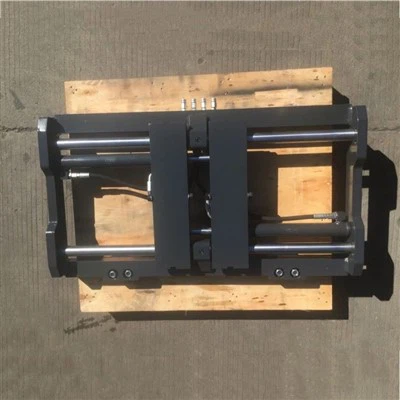
One of our popular models is the PAS20E Standard Push Pull - Sheet Save Types. This forklift is equipped with an advanced battery management system that helps to optimize power consumption. It's suitable for medium - to heavy - duty applications, and despite its high load capacity, it's designed to use power efficiently.
Another great option is the PAS16E Standard Push Pull - Sheet Save Types. This model is ideal for lighter loads and is known for its energy - saving features. It's a great choice for warehouses with lower traffic and less demanding operations.
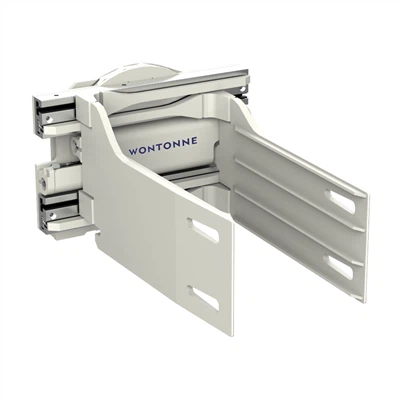
We also have the Inverta Push Clamp, which is a unique addition to our product line. This forklift is designed for specific applications where a push - clamp mechanism is required. It's engineered to minimize power consumption while still providing excellent performance.
Tips to Reduce Power Consumption
If you're using an electric push pull forklift, there are several things you can do to reduce its power consumption:
1. Proper Maintenance
Regular maintenance is crucial. Make sure the forklift's tires are properly inflated, the brakes are in good condition, and the motor is well - lubricated. A well - maintained forklift operates more efficiently and uses less power.
2. Operator Training
Train your operators to use the forklift efficiently. For example, they should avoid unnecessary acceleration and deceleration, and they should plan their routes in advance to minimize the distance traveled.
3. Battery Management
Proper battery management is essential. Charge the battery at the right time and avoid over - charging or under - charging. Also, make sure to use the battery until it's at an appropriate level before recharging to extend its lifespan and improve power efficiency.
Conclusion
In conclusion, the power consumption of an electric push pull forklift is influenced by various factors such as load capacity, operating conditions, and the forklift model itself. As a supplier, we're committed to providing forklifts that are not only powerful but also energy - efficient. Our range of products, including the PAS20E Standard Push Pull - Sheet Save Types, PAS16E Standard Push Pull - Sheet Save Types, and Inverta Push Clamp, are designed to meet different needs while keeping power consumption in check.
If you're interested in learning more about our electric push pull forklifts or want to discuss your specific requirements, don't hesitate to get in touch. We're here to help you find the perfect solution for your business and ensure that you get the most out of your investment.
References
- Forklift Operator's Manuals
- Industry Reports on Electric Forklift Technology
- Technical Specifications of Electric Push Pull Forklifts