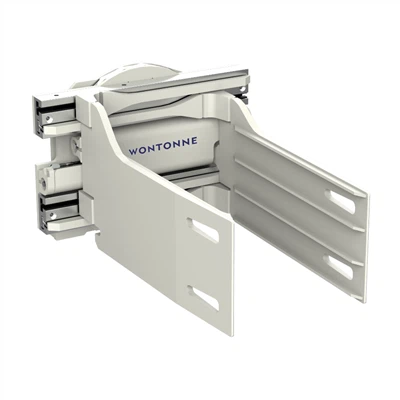
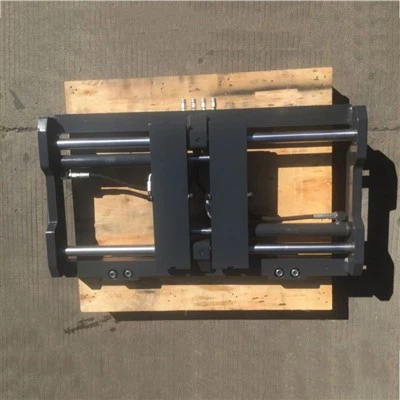
Pallet converters are essential tools in the material handling industry, offering a seamless solution for converting pallets of various types. As a leading supplier of pallet converters, I often encounter inquiries about their speed - a crucial factor that significantly impacts operational efficiency. In this blog, I'll delve into the concept of the speed of pallet converters, exploring the factors that influence it and how it can be optimized to enhance productivity.
Understanding the Speed of Pallet Converters
The speed of a pallet converter can be defined in multiple ways. Primarily, it refers to the time taken to complete a single pallet conversion cycle. This cycle includes the processes of lifting the load from the original pallet, transferring it to the new pallet, and releasing the load onto the new surface. A faster cycle time means that more pallet conversions can be carried out within a given period, leading to increased throughput in a warehouse or distribution center.
However, speed isn't just about the mechanical operation of the converter. It also encompasses the ease and quickness of setup, adjustments, and the overall integration with existing material handling systems. For example, a pallet converter that can be easily adjusted to handle different pallet sizes and load configurations without significant downtime will contribute to a more efficient operation.
Factors Influencing the Speed of Pallet Converters
1. Design and Mechanism
The design of a pallet converter plays a fundamental role in determining its speed. Modern pallet converters are equipped with advanced hydraulic or pneumatic systems that enable rapid and precise movements. For instance, a well - designed hydraulic system can provide smooth and powerful lifting and lowering actions, reducing the time taken for each step of the conversion process.
Some pallet converters feature innovative mechanisms such as Tri - lateral Head Units, which offer enhanced flexibility and speed in handling loads from different directions. These units can quickly reposition the load during the conversion process, eliminating the need for additional maneuvers and thus saving time.
2. Load Capacity and Size
The size and weight of the load being converted also have a direct impact on the speed of the pallet converter. Heavier loads require more power to lift and move, which may slow down the conversion process. Similarly, larger loads may require more space for maneuvering and may take longer to transfer between pallets.


However, our pallet converters are designed to handle a wide range of load capacities and sizes efficiently. By using high - strength materials and optimized hydraulic systems, we ensure that even heavy and large loads can be converted at a reasonable speed.
3. Operator Skill and Training
The skill level of the operator operating the pallet converter is another critical factor. A well - trained operator can perform the conversion process more quickly and accurately. They understand the optimal settings for different load types and pallet sizes, and can make quick adjustments to the converter to minimize downtime.
We provide comprehensive training programs for our customers to ensure that their operators are fully equipped to operate our pallet converters at peak efficiency. This training includes hands - on experience, safety procedures, and troubleshooting techniques.
4. Compatibility with Forklifts and Other Equipment
Pallet converters are often used in conjunction with forklifts and other material handling equipment. The compatibility between the pallet converter and the forklift can significantly affect the speed of the overall operation. A well - integrated system allows for seamless transfer of the converter and the load between different equipment, reducing the time spent on setup and alignment.
Our pallet converters are designed to be highly compatible with a wide range of forklift models. They can be easily attached and detached from the forklift, and the controls are intuitive, allowing for quick and efficient operation.
Optimizing the Speed of Pallet Converters
1. Regular Maintenance
Regular maintenance is essential to keep the pallet converter operating at its best speed. This includes checking the hydraulic fluid levels, inspecting the hoses and fittings for leaks, and lubricating the moving parts. By performing routine maintenance, we can prevent breakdowns and ensure that the converter operates smoothly and efficiently.
2. Upgrading to the Latest Technology
As technology advances, new features and improvements are constantly being introduced to pallet converters. Upgrading to the latest models can significantly enhance the speed and performance of your material handling operations. For example, newer models may be equipped with advanced sensors and controls that can automatically adjust the converter's settings based on the load and pallet characteristics, reducing the time spent on manual adjustments.
3. Streamlining Workflows
Analyzing and streamlining the material handling workflows can also improve the speed of pallet converters. This may involve reorganizing the warehouse layout to minimize the distance the forklift and the converter need to travel, or implementing a more efficient loading and unloading process. By eliminating unnecessary steps and reducing congestion, the overall speed of the pallet conversion process can be significantly increased.
The Impact of Speed on Operational Efficiency
The speed of pallet converters has a profound impact on the overall operational efficiency of a warehouse or distribution center. Faster pallet conversions mean that more products can be processed in a shorter period, leading to increased throughput and reduced labor costs.
Moreover, a high - speed pallet converter can improve the responsiveness of the supply chain. It allows for quicker turnaround times for incoming and outgoing shipments, ensuring that products reach the market in a timely manner. This can enhance customer satisfaction and give businesses a competitive edge in the market.
Conclusion
In conclusion, the speed of pallet converters is a multi - faceted concept that is influenced by various factors such as design, load capacity, operator skill, and compatibility with other equipment. As a supplier of pallet converters, we are committed to providing high - quality products that offer optimal speed and performance.
Our pallet converters are designed with the latest technology and innovative features to ensure fast and efficient pallet conversions. Whether you are dealing with small - scale operations or large - scale distribution centers, our products can be customized to meet your specific needs.
If you are looking to improve the speed and efficiency of your material handling operations, we invite you to contact us for a detailed discussion. Our team of experts will be happy to assist you in selecting the right pallet converter for your business and provide you with the necessary support and training.
References
- Industry standards and guidelines for pallet converters
- Technical manuals and specifications of our pallet converter products
- Case studies and research on the impact of pallet converter speed on operational efficiency