As a supplier of foam rubber clamps, one of the most frequently asked questions I encounter is about the typical thickness of the foam rubber used in these clamps. This seemingly simple question has a complex answer that depends on multiple factors, including the application, the type of material being handled, and the design of the clamp itself. In this blog post, I will delve into these aspects to provide a comprehensive understanding of the typical thickness of foam rubber in clamps.
Factors Influencing Foam Rubber Thickness
Application
The application of the foam rubber clamp plays a crucial role in determining the appropriate thickness of the foam rubber. For example, in industrial settings where heavy-duty materials need to be handled, a thicker foam rubber may be required to provide sufficient cushioning and grip. On the other hand, in more delicate applications such as handling electronic components, a thinner foam rubber may be preferred to avoid damaging the sensitive parts.
In the case of Turnaloads, which are used for handling large and heavy loads, the foam rubber in the clamps needs to be thick enough to withstand the high pressure and provide a secure grip. A thicker foam rubber can absorb more shock and prevent the load from slipping during transportation.
Material Being Handled
The type of material being handled also affects the thickness of the foam rubber. Soft and fragile materials require a thicker foam rubber to prevent damage, while hard and rigid materials may allow for a thinner foam rubber. For instance, when handling glass panels, a thick foam rubber can protect the glass from scratches and breakage. In contrast, when handling metal bars, a thinner foam rubber may be sufficient to provide a grip without causing damage to the metal surface.
The Forklift Block Clamp is designed to handle blocks of various materials. The thickness of the foam rubber in this clamp is carefully selected based on the typical materials it will encounter. If the blocks are made of a soft material like wood, a thicker foam rubber will be used to prevent the wood from being crushed.
Clamp Design
The design of the clamp itself is another important factor. Some clamps have a larger surface area in contact with the load, which may allow for a thinner foam rubber. Other clamps may have a more concentrated pressure point, requiring a thicker foam rubber to distribute the pressure evenly.
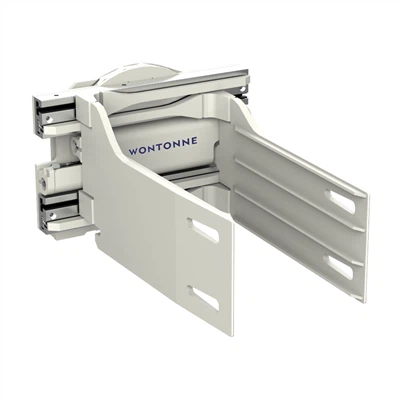
The Bale Clamp – High-Performance Forklift Attachment For Bulk Material Handling Without Pallets has a unique design that is optimized for handling bales of materials. The foam rubber in this clamp is designed to conform to the shape of the bales and provide a tight grip. The thickness of the foam rubber is adjusted to ensure that it can effectively hold the bales without causing damage.
Typical Thickness Ranges
Based on my experience as a foam rubber clamp supplier, the typical thickness of foam rubber in clamps can range from 3mm to 25mm.
Thin Foam Rubber (3mm - 8mm)
Thin foam rubber is often used in applications where a delicate touch is required or where space is limited. For example, in some precision manufacturing processes, thin foam rubber clamps are used to hold small components without applying excessive pressure. These thin foam rubbers are also suitable for applications where the load is relatively light and does not require a high level of cushioning.
Medium Foam Rubber (8mm - 15mm)
Medium-thickness foam rubber is the most commonly used in a wide range of applications. It provides a good balance between cushioning and grip. This thickness is suitable for handling a variety of materials, including plastics, wood, and some metals. Medium foam rubber is often used in general industrial applications and in forklift attachments for everyday use.
Thick Foam Rubber (15mm - 25mm)
Thick foam rubber is reserved for heavy-duty applications where the load is large and heavy. It can withstand high pressure and provide excellent shock absorption. Thick foam rubber is commonly used in clamps for handling large machinery parts, heavy blocks, and other bulky items.


Importance of Choosing the Right Thickness
Choosing the right thickness of foam rubber in clamps is essential for several reasons. Firstly, it ensures the safety of the load. A properly sized foam rubber can prevent the load from slipping or being damaged during handling. Secondly, it improves the efficiency of the operation. A well-fitted foam rubber clamp can hold the load more securely, reducing the risk of accidents and downtime. Finally, it can extend the lifespan of the clamp and the foam rubber itself. Using the correct thickness can prevent premature wear and tear, saving costs in the long run.
Customization Options
At our company, we understand that every application is unique, and one size does not fit all. That's why we offer customization options for the thickness of the foam rubber in our clamps. Our team of experts can work with you to determine the most suitable thickness based on your specific requirements. Whether you need a thin foam rubber for a delicate application or a thick foam rubber for a heavy-duty task, we can provide a solution that meets your needs.
Contact Us for Procurement
If you are in the market for foam rubber clamps and have questions about the thickness of the foam rubber or any other aspect of our products, we encourage you to contact us. Our sales team is ready to assist you in choosing the right clamps for your application. We can provide detailed product information, samples, and competitive pricing. Let's start a conversation about how our foam rubber clamps can improve your material handling operations.
References
- Industry standards for foam rubber in material handling equipment.
- Technical manuals of various forklift attachments and clamps.
- Case studies on the use of foam rubber clamps in different industries.