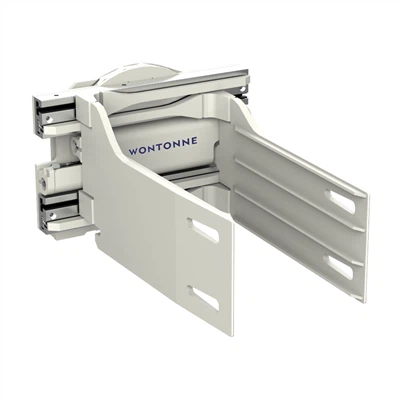
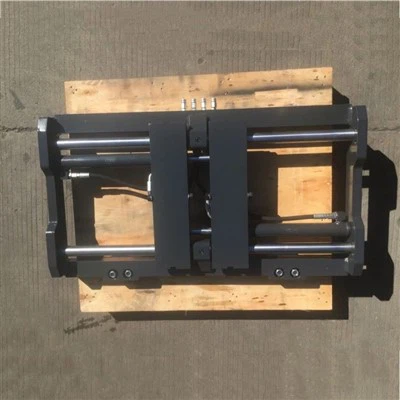
Ventilation design in forklift waste bins is a crucial aspect that significantly impacts the functionality, safety, and overall efficiency of waste management operations. As a leading supplier of Forklift Waste Bins, we understand the importance of well - thought - out ventilation systems in these essential pieces of equipment.
The Significance of Ventilation in Forklift Waste Bins
Forklift waste bins are used to collect and transport various types of waste, including organic waste, industrial by - products, and hazardous materials. Without proper ventilation, several problems can arise. Firstly, organic waste decomposes over time, producing gases such as methane and carbon dioxide. Methane is a highly flammable gas, and in an enclosed space with poor ventilation, the concentration of methane can reach dangerous levels, posing a significant fire and explosion hazard.
Secondly, the accumulation of odors is a common issue in waste bins. Poor ventilation allows unpleasant smells to build up, which can be a nuisance for workers in the vicinity and may even violate environmental regulations in some areas. Moreover, stagnant air in the bin can lead to the growth of mold and bacteria, which can be harmful to human health and can also cause damage to the waste bin itself over time.
Key Elements of Ventilation Design
Ventilation Openings
One of the most fundamental aspects of ventilation design is the placement and size of ventilation openings. These openings should be strategically located to allow for the efficient exchange of air. For example, placing openings near the top of the waste bin can help in the removal of lighter gases such as methane, which tend to rise. The size of the openings is also critical. If they are too small, the airflow will be restricted, and the ventilation will be ineffective. On the other hand, if they are too large, it may allow debris or rainwater to enter the bin, which can cause additional problems.
Airflow Pathways
Designing proper airflow pathways within the waste bin is essential. The goal is to create a continuous flow of air that can effectively remove stale air and replace it with fresh air. This can be achieved by using internal baffles or channels. Baffles can direct the airflow in a specific pattern, ensuring that all areas of the bin are ventilated. For instance, a series of vertical baffles can be installed to create a zig - zag airflow path, which increases the contact time between the air and the waste, enhancing the ventilation process.
Filtration Systems
In some cases, especially when dealing with hazardous waste or waste that produces fine particulate matter, filtration systems can be incorporated into the ventilation design. These filters can trap harmful particles and prevent them from being released into the environment. There are different types of filters available, such as HEPA filters, which are highly effective in removing small particles. The choice of filter depends on the nature of the waste being collected.
Different Types of Forklift Waste Bins and Their Ventilation Requirements
Forklift Hook Bins
Forklift hook bins are commonly used for general waste collection. They are designed to be easily attached and detached from forklifts. The ventilation design for these bins should take into account their mobility. Since they are frequently moved around, the ventilation system should be robust enough to withstand vibrations and impacts. Additionally, the ventilation openings should be protected to prevent them from getting blocked during handling.
Tipping Bins
Tipping bins are used when the waste needs to be emptied quickly and efficiently. The ventilation design for tipping bins needs to consider the tipping mechanism. During the tipping process, the airflow pattern changes, and the ventilation system should be able to adapt to these changes. For example, the ventilation openings should be designed in such a way that they do not get blocked when the bin is tipped.
Design Considerations for Specific Waste Types
Organic Waste
When dealing with organic waste, the ventilation design should focus on the removal of gases produced during decomposition. As mentioned earlier, methane is a major concern. A ventilation system with large - sized openings near the top of the bin can help in the efficient removal of methane. Additionally, the use of activated carbon filters can help in reducing odors associated with organic waste decomposition.
Hazardous Waste
Hazardous waste requires a more sophisticated ventilation design. The ventilation system should be able to handle the release of toxic gases and prevent their escape into the environment. This may involve the use of multiple filtration stages, including chemical filters that can neutralize specific toxic substances. The ventilation openings should be sealed when the bin is not in use to prevent any accidental release of hazardous materials.
Testing and Validation of Ventilation Designs
Once a ventilation design is developed, it is essential to test and validate its effectiveness. This can be done through computer - based simulations and physical testing. Computer simulations can provide detailed information about the airflow patterns, gas concentrations, and pressure distributions within the waste bin. Physical testing involves using sensors to measure the actual airflow, gas levels, and temperature inside the bin. By comparing the results of the simulations and physical testing, any design flaws can be identified and corrected.


Benefits of Well - Designed Ventilation in Forklift Waste Bins
A well - designed ventilation system in forklift waste bins offers several benefits. Firstly, it enhances safety by reducing the risk of fire and explosion due to the accumulation of flammable gases. Secondly, it improves the working environment by reducing odors and the growth of harmful microorganisms. This can lead to increased worker productivity and fewer health - related issues. Thirdly, it helps in complying with environmental regulations, which is becoming increasingly important in today's waste management industry.
Conclusion
In conclusion, the ventilation design of forklift waste bins is a complex but essential aspect of waste management. As a supplier of Forklift Waste Bins, we are committed to providing our customers with waste bins that have optimal ventilation designs. Our team of experts works closely with clients to understand their specific waste management needs and develop ventilation solutions that are both effective and efficient.
If you are in the market for high - quality forklift waste bins with excellent ventilation design, we invite you to contact us for a detailed discussion. Our experienced sales team will be happy to assist you in choosing the right waste bin for your requirements and can provide you with all the necessary information about our products.
References
- "Waste Management Handbook" by John Smith
- "Ventilation Design Principles for Industrial Containers" by Jane Doe
- "Safety Standards in Waste Handling and Storage" published by the National Waste Management Association