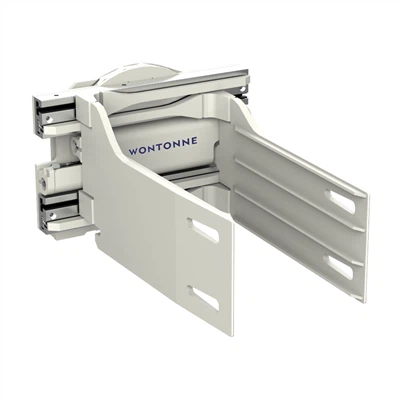
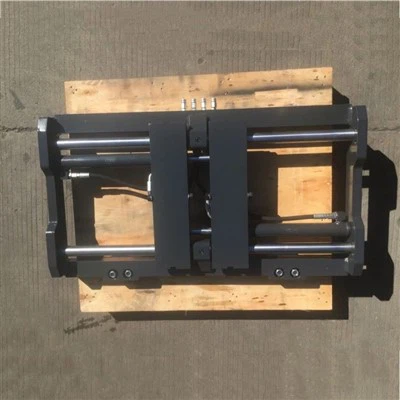
Hey there! As a supplier of No-Arm Clamps, I often get asked about the weight capacity of these nifty tools. So, let's dive right in and break it all down.
First off, what are No-Arm Clamps? Well, they're a type of forklift attachment that's super handy for handling all sorts of stuff without the need for those traditional arms. They're great for grabbing and moving things like bales, boxes, and other bulky items. And one of the most important things to know about them is their weight capacity.
The weight capacity of No-Arm Clamps can vary quite a bit depending on a few different factors. One of the main things that affects it is the design and construction of the clamp itself. Some clamps are built to handle heavier loads than others. For example, if a clamp is made with thicker and stronger materials, it's likely to have a higher weight capacity.
Another factor is the type of hydraulic system the clamp uses. A more powerful hydraulic system can generate more force, which means the clamp can hold and lift heavier objects. The quality of the hydraulic components, like the cylinders and valves, also plays a big role. High - quality components are more reliable and can handle greater pressures, allowing the clamp to handle heavier loads safely.
Let's talk about some real - world examples. If you're looking at a standard No - Arm Clamp that's designed for general warehouse use, it might have a weight capacity of around 2,000 to 5,000 pounds. These clamps are usually used for moving smaller to medium - sized bales or boxes. They're great for day - to - day operations in a warehouse where you're not dealing with extremely heavy items.
But if you're in an industry that requires handling really heavy materials, like the paper, waste, or textile industries, you'll need a more heavy - duty No - Arm Clamp. For instance, an Industrial Bale Clamp – Durable Forklift Attachment For Paper, Waste, And Textile Applications can have a weight capacity of 5,000 pounds or more. These clamps are built to withstand the rigors of handling large and heavy bales of paper, waste, or textiles.
There are also specialized No - Arm Clamps for specific tasks. Take the CFR30D, Fork Clamps, Revolving Type. This type of clamp is designed with a revolving feature, which gives it more flexibility in handling materials. Its weight capacity can vary depending on its specific configuration, but it's often designed to handle significant loads, especially in applications where you need to rotate the load for proper placement.
And then there's the Bale Clamp – High - Performance Forklift Attachment For Bulk Material Handling Without Pallets. This is a high - performance clamp that's great for handling bulk materials without the need for pallets. It can have a relatively high weight capacity, often in the range of 3,000 to 6,000 pounds, depending on the model.
When you're considering the weight capacity of a No - Arm Clamp, it's important to also think about safety. You should never exceed the recommended weight capacity of the clamp. Overloading a clamp can not only damage the clamp itself but also pose a serious safety risk to the operator and those around the forklift. It can cause the clamp to fail, leading to the load dropping, which could result in injuries or property damage.
To determine the right weight capacity for your needs, you need to consider what kind of materials you'll be handling on a regular basis. Make a list of the average weight of the items you'll be moving, as well as the heaviest item you might encounter. This will give you a good idea of the minimum weight capacity you should look for in a No - Arm Clamp.
It's also a good idea to consult with a professional. As a supplier, I'm always happy to help customers figure out the best clamp for their specific requirements. I can look at your operation, the types of materials you handle, and your forklift's capabilities to recommend the right No - Arm Clamp with the appropriate weight capacity.
In addition to the weight capacity, you should also consider other features of the No - Arm Clamp. Things like the opening width of the clamp are important. If you're handling large bales or wide boxes, you'll need a clamp with a wider opening. The clamping force is another crucial factor. You want a clamp that can hold the load securely without damaging it.
Maintenance is also key to ensuring that your No - Arm Clamp continues to perform at its best and maintains its weight - handling capabilities. Regularly inspect the clamp for any signs of wear and tear, such as damaged hydraulic hoses or worn - out clamping pads. Keep the hydraulic system clean and properly lubricated, and follow the manufacturer's recommended maintenance schedule.
So, if you're in the market for a No - Arm Clamp, don't just focus on the price. Make sure you're getting a clamp with the right weight capacity for your needs. It's an investment that will pay off in the long run by improving the efficiency and safety of your material - handling operations.
If you're interested in learning more about our No - Arm Clamps or have any questions about weight capacity and which clamp is right for you, don't hesitate to reach out. We're here to help you make the best choice for your business. Whether you're a small warehouse or a large industrial operation, we have the expertise and the products to meet your needs.
Let's work together to find the perfect No - Arm Clamp for your material - handling challenges. Contact us today to start the conversation and take your material - handling to the next level.

References
- Industry standards for forklift attachments
- Manufacturer specifications for No - Arm Clamps