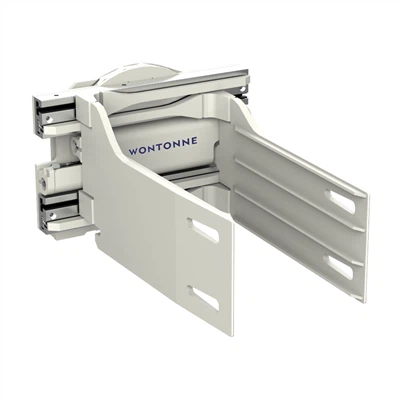
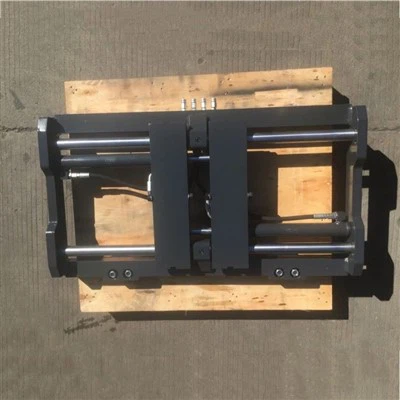
Hey there, folks! I'm a supplier of forklift rotators, and I know how crucial it is to keep these machines in top - notch condition. A forklift rotator is a nifty attachment that allows you to rotate loads, which comes in super handy in various industries like warehousing, manufacturing, and logistics. But like any piece of equipment, it needs regular maintenance to work smoothly and last a long time. So, let's dive into the maintenance tasks required for a forklift rotator.
Regular Visual Inspections
First off, you gotta do regular visual inspections. This is like giving your forklift rotator a quick once - over. Check for any signs of wear and tear, like cracks in the housing, loose bolts, or damaged hoses. You don't need to be a rocket scientist to spot these issues. Just take a good look around.
Inspect the hydraulic hoses closely. Look for any leaks, cuts, or bulges. A small leak might seem like no big deal at first, but it can lead to bigger problems down the road. If you see any issues with the hoses, it's best to replace them right away. You don't want hydraulic fluid leaking all over the place and causing a mess, or worse, affecting the performance of the rotator.
Also, check the mounting points. Make sure the rotator is securely attached to the forklift. Loose mounting can cause the rotator to shift during operation, which is not only dangerous but can also damage the equipment. Tighten any loose bolts or nuts you find during your inspection.
Lubrication
Lubrication is key to keeping the moving parts of your forklift rotator working smoothly. Just like you need oil in your car engine, the rotator needs proper lubrication. The rotating parts, such as the bearings and gears, need to be lubricated regularly.
Use the right type of lubricant recommended by the manufacturer. Different rotators might require different lubricants, so don't just use any old grease you find lying around. Follow the manufacturer's guidelines on how often to lubricate and how much lubricant to use.
Apply the lubricant evenly to all the necessary parts. Make sure you reach all the nooks and crannies. This helps reduce friction, which in turn reduces wear and tear on the parts. It also helps the rotator operate more quietly and efficiently.
Hydraulic System Maintenance
The hydraulic system is the heart of the forklift rotator. It's what allows the rotator to rotate and lift loads. So, taking care of the hydraulic system is super important.
Check the hydraulic fluid level regularly. Low fluid levels can cause the system to overheat and malfunction. If the fluid level is low, add the recommended type of hydraulic fluid. But be careful not to overfill it.
Also, keep an eye on the quality of the hydraulic fluid. Over time, the fluid can get contaminated with dirt, debris, or water. Contaminated fluid can cause damage to the hydraulic components. If the fluid looks dirty or has an unusual odor, it's time to change it.
Replace the hydraulic filters as recommended by the manufacturer. Filters are designed to trap dirt and debris, preventing them from entering the hydraulic system. A clogged filter can restrict the flow of fluid and cause the system to work harder than it should.
Testing and Calibration
Periodically, you need to test and calibrate the forklift rotator. This ensures that it's working accurately and safely.
Test the rotation function. Make sure the rotator can rotate smoothly in both directions. Check the rotation speed and range of motion. If you notice any jerks, slowdowns, or unusual noises during rotation, there might be an issue that needs to be addressed.
Calibrate the load - sensing system if your rotator has one. This system helps the rotator handle different loads safely. If it's not calibrated correctly, it can cause the rotator to mishandle loads, which is a big safety risk.
Cleaning
Keeping your forklift rotator clean is not just about making it look good. It also helps prevent corrosion and damage.
After each use, wipe down the rotator to remove any dirt, dust, or debris. Pay special attention to the areas around the moving parts and the hydraulic connections.
If the rotator gets really dirty, you can use a mild detergent and water to clean it. But make sure you dry it thoroughly afterward to prevent rust.
Specific Models and Their Maintenance
Let's talk about some of the specific models we offer. We have the RRB20D D Series Rotator, Hollow - out Type. This model is known for its unique hollow - out design, which makes it great for handling certain types of loads. For this model, in addition to the general maintenance tasks we've discussed, pay extra attention to the hollow - out area. Make sure no debris gets stuck in there, as it can affect the rotation and performance of the rotator.
The RRB30D D Series Rotator, Standrad Type is a popular standard - type rotator. It's durable and reliable. For this model, focus on the standard maintenance tasks like visual inspections, lubrication, and hydraulic system maintenance. Check the mounting points regularly, as this model is often used for heavier loads.
The RRB35D D Series Rotator, Standrad Type is another great option. It has a higher load - capacity compared to some other models. When maintaining this rotator, make sure you're using the right lubricant for the increased stress on the moving parts. Also, keep a close eye on the hydraulic system, as it has to work harder to handle the heavier loads.
In conclusion, proper maintenance of a forklift rotator is essential for its longevity, performance, and safety. By following these maintenance tasks, you can ensure that your rotator keeps working great for years to come.

If you're in the market for a new forklift rotator or need more information about maintenance, don't hesitate to reach out. We're here to help you make the right choice and keep your equipment in top shape. Let's start a conversation about your needs and how we can assist you.
References
- Forklift rotator user manuals
- Industry best practices for forklift attachment maintenance