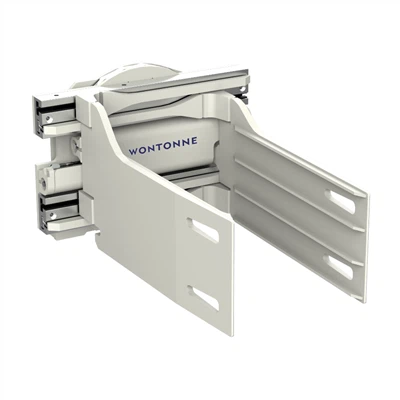
Clamps are essential tools used in a wide range of industries, from manufacturing and construction to woodworking and automotive repair. They come in various shapes and sizes, each designed to serve a specific purpose. As a leading clamps supplier, I often get asked about the materials used to make these versatile tools. In this blog post, I'll explore the common materials used in clamp manufacturing, their properties, and the applications they are best suited for.
Metal Materials
Steel
Steel is one of the most popular materials for making clamps due to its strength, durability, and versatility. There are different types of steel used in clamp production, including carbon steel and stainless steel.
Carbon steel clamps are known for their high strength and toughness. They can withstand heavy loads and are suitable for applications that require a lot of force, such as in construction and heavy machinery manufacturing. However, carbon steel is prone to rusting, especially in wet or corrosive environments. To prevent rust, carbon steel clamps are often coated with a protective layer, such as zinc or paint.
Stainless steel clamps, on the other hand, are corrosion-resistant. They contain chromium, which forms a passive oxide layer on the surface, protecting the steel from rust and corrosion. Stainless steel clamps are ideal for applications in harsh environments, such as marine, food processing, and chemical industries. They are also easy to clean and maintain, making them a popular choice for applications where hygiene is important.
Aluminum
Aluminum is a lightweight and corrosion-resistant metal. Clamps made from aluminum are easy to handle and transport, making them suitable for applications where portability is a key factor. Aluminum clamps are commonly used in the aerospace, automotive, and electronics industries, where weight reduction is crucial.
Despite its lightweight, aluminum has good strength-to-weight ratio. It can withstand moderate loads and is often used in applications where a balance between strength and weight is required. Aluminum clamps are also relatively inexpensive compared to steel clamps, making them a cost-effective option for many applications.
Cast Iron
Cast iron is a hard and brittle material that is known for its excellent wear resistance. Clamps made from cast iron are heavy-duty and can withstand high pressures. They are commonly used in industrial applications, such as in foundries, forging shops, and heavy machinery manufacturing.
Cast iron clamps are often used in applications where a large clamping force is required. However, due to their brittleness, they are more prone to cracking or breaking under sudden impact or excessive stress. Therefore, they need to be handled with care.
Plastic Materials
Polypropylene
Polypropylene is a thermoplastic polymer that is known for its chemical resistance, low cost, and good mechanical properties. Clamps made from polypropylene are lightweight and flexible, making them suitable for applications where a gentle clamping force is required, such as in the packaging and electronics industries.


Polypropylene clamps are also resistant to many chemicals, including acids and alkalis. This makes them suitable for use in chemical processing plants and laboratories. They are easy to mold into different shapes, allowing for the production of clamps with complex geometries.
Nylon
Nylon is a strong and durable thermoplastic material. It has good abrasion resistance and can withstand moderate loads. Nylon clamps are commonly used in the automotive, electrical, and consumer goods industries.
One of the advantages of nylon clamps is their self-lubricating properties. This reduces friction and wear, making them suitable for applications where frequent clamping and unclamping are required. Nylon clamps are also resistant to moisture and chemicals, making them suitable for use in a variety of environments.
Composite Materials
Fiberglass Reinforced Plastic (FRP)
FRP is a composite material made of a plastic matrix reinforced with fiberglass. It combines the strength of fiberglass with the flexibility and corrosion resistance of plastic. Clamps made from FRP are lightweight, strong, and corrosion-resistant.
FRP clamps are commonly used in the marine, aerospace, and chemical industries, where corrosion resistance and lightweight are important. They can withstand high temperatures and harsh environments, making them suitable for a wide range of applications.
Applications and Suitable Materials
The choice of material for a clamp depends on the specific application. For example, in the construction industry, where heavy loads and high clamping forces are required, steel clamps are the most suitable choice. Carbon steel clamps are often used for general construction work, while stainless steel clamps are used in applications where corrosion resistance is important, such as in coastal areas.
In the woodworking industry, where a gentle clamping force is required to avoid damaging the wood, plastic clamps made from polypropylene or nylon are commonly used. These clamps are also lightweight and easy to handle, making them suitable for use in small workshops.
In the automotive industry, a variety of clamps are used, including steel, aluminum, and plastic clamps. Steel clamps are used for engine components and heavy-duty applications, while aluminum clamps are used for lightweight components, such as in the bodywork. Plastic clamps are used for wiring harnesses and other non-structural applications.
Our Product Range
As a clamps supplier, we offer a wide range of clamps made from different materials to meet the diverse needs of our customers. Our product range includes Pulp Bale Clamp, No-Arm Clamps, Sideshifting Type, and Industrial Bale Clamp – Durable Forklift Attachment For Paper, Waste, And Textile Applications.
Our steel clamps are made from high-quality carbon steel or stainless steel, ensuring strength and durability. Our aluminum clamps are lightweight and corrosion-resistant, making them suitable for a variety of applications. Our plastic clamps are made from polypropylene or nylon, offering flexibility and chemical resistance.
Conclusion
In conclusion, the materials used to make clamps vary depending on the application and the required properties. Metal materials such as steel, aluminum, and cast iron offer strength and durability, while plastic materials such as polypropylene and nylon offer flexibility and chemical resistance. Composite materials such as FRP combine the advantages of different materials, providing a balance between strength, weight, and corrosion resistance.
As a clamps supplier, we understand the importance of choosing the right material for your application. We are committed to providing high-quality clamps made from the best materials to meet your specific needs. If you are interested in our products or have any questions about clamps, please feel free to contact us for procurement and negotiation.
References
- Callister, W. D., & Rethwisch, D. G. (2011). Materials Science and Engineering: An Introduction. Wiley.
- Ashby, M. F. (2011). Materials Selection in Mechanical Design. Butterworth-Heinemann.