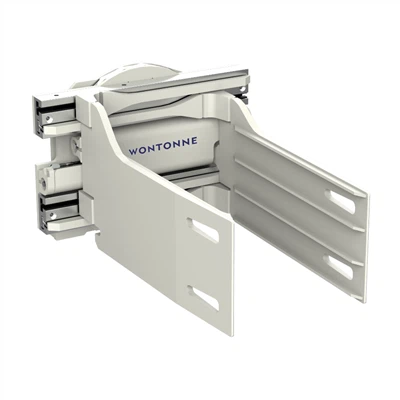
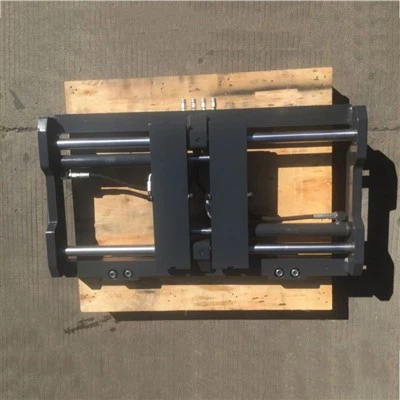
No - Arm Clamps are versatile and essential tools in various industries, known for their ability to securely hold and manipulate objects without the need for traditional arms. As a supplier of No - Arm Clamps, I often receive inquiries about the materials used in their construction. Understanding the materials is crucial as it directly impacts the clamp's performance, durability, and suitability for different applications. In this blog, I will delve into the common materials used to make No - Arm Clamps and explain their unique properties and benefits.
Steel
Steel is one of the most widely used materials in the manufacturing of No - Arm Clamps. It is highly regarded for its exceptional strength and durability. There are different types of steel that can be used, including carbon steel and stainless steel.
Carbon steel is a popular choice due to its high tensile strength and relatively low cost. It can withstand heavy loads and is suitable for applications where the clamp will be subjected to significant stress. For example, in industrial settings where large and heavy objects need to be lifted and moved, carbon steel No - Arm Clamps can provide the necessary strength and stability. However, carbon steel is prone to rusting, especially in moist or corrosive environments. Therefore, it often requires proper coating or painting to protect it from corrosion.
Stainless steel, on the other hand, offers excellent corrosion resistance. It contains chromium, which forms a passive oxide layer on the surface of the steel, preventing rust and corrosion. This makes stainless steel No - Arm Clamps ideal for use in harsh environments, such as food processing plants, chemical industries, and marine applications. Although stainless steel is more expensive than carbon steel, its long - term durability and resistance to corrosion make it a cost - effective choice in the long run.
Aluminum
Aluminum is another material commonly used in No - Arm Clamps. It is known for its lightweight nature and good strength - to - weight ratio. Compared to steel, aluminum is much lighter, which makes the clamps easier to handle and maneuver. This is particularly beneficial in applications where the clamp needs to be moved frequently or used in situations where weight is a concern, such as in the aerospace or automotive industries.
Aluminum also has good corrosion resistance, especially when it is anodized. Anodizing is a process that creates a protective oxide layer on the surface of the aluminum, enhancing its resistance to corrosion and wear. Additionally, aluminum is a non - magnetic material, which can be an advantage in certain applications where magnetic interference needs to be avoided.
However, aluminum is not as strong as steel. It may not be suitable for applications that require the clamp to hold extremely heavy loads. In such cases, a combination of aluminum and steel may be used, with the aluminum providing the lightweight structure and the steel providing the necessary strength in critical areas.
Plastic
Plastic materials are also used in the production of No - Arm Clamps, especially in applications where a non - scratch or non - marring surface is required. For example, in the electronics industry, plastic clamps can be used to hold delicate components without causing any damage.
There are different types of plastics that can be used, such as polyethylene, polypropylene, and nylon. Polyethylene is a lightweight and flexible plastic with good chemical resistance. It is often used in applications where the clamp needs to be flexible and able to conform to the shape of the object being held. Polypropylene is similar to polyethylene but has better heat resistance. Nylon is a strong and durable plastic with high abrasion resistance. It can withstand heavy loads and is often used in applications where the clamp will be subjected to a lot of wear and tear.
Plastic clamps are generally less expensive than metal clamps. They are also easy to manufacture and can be produced in a variety of shapes and sizes. However, they may not be as strong as metal clamps and may not be suitable for applications that require high strength and durability.
Rubber
Rubber is often used in No - Arm Clamps as a gripping material. It provides a high - friction surface, which helps the clamp to hold the object securely. Rubber can be used in combination with other materials, such as steel or plastic, to enhance the gripping ability of the clamp.
There are different types of rubber that can be used, such as natural rubber, synthetic rubber, and silicone rubber. Natural rubber has good elasticity and grip, but it may not be suitable for use in applications where it will be exposed to chemicals or high temperatures. Synthetic rubber, such as neoprene or nitrile rubber, offers better resistance to chemicals and heat. Silicone rubber has excellent heat resistance and can be used in high - temperature applications.
The use of rubber in No - Arm Clamps can also help to reduce noise and vibration. When the clamp holds an object, the rubber absorbs the shock and vibration, providing a more stable and quiet operation.


Applications of Different Materials in No - Arm Clamps
The choice of material for a No - Arm Clamp depends on the specific application. For example, in the construction industry, steel No - Arm Clamps are often used to hold heavy building materials, such as bricks and blocks. The Multi - Purpose Block Clamp – Forklift Attachment For Versatile Handling Of Blocks And Materials is a great example of a clamp that uses steel for its strength and durability.
In the agricultural industry, forklift bale clamps are used to handle hay bales. These clamps may use a combination of steel and rubber. The steel provides the structural strength, while the rubber provides a good grip on the bales. You can find more information about Forklift Bale Clamp Attachment.
In the manufacturing industry, where precision and flexibility are required, aluminum or plastic No - Arm Clamps may be used. For example, in the assembly of small parts, plastic clamps can be used to hold the parts in place without causing any damage.
In the automotive industry, TMS20D Turnaforks, like the ones described in TMS20D Turnaforks, may use a combination of different materials to meet the specific requirements of the application. They may use steel for the main structure, aluminum for the lightweight components, and rubber for the gripping surface.
Conclusion
As a supplier of No - Arm Clamps, I understand the importance of choosing the right material for each application. Steel offers strength and durability, aluminum provides lightweight and corrosion resistance, plastic is suitable for non - scratch applications, and rubber enhances the gripping ability. By carefully selecting the materials based on the specific requirements of the application, we can ensure that our No - Arm Clamps provide the best performance and value for our customers.
If you are in the market for No - Arm Clamps and need more information about the materials and their suitability for your application, please feel free to contact us. Our team of experts is ready to assist you in choosing the right clamp for your needs. We can also provide customized solutions based on your specific requirements. Let's start a conversation and find the perfect No - Arm Clamp for your business.
References
- ASM Handbook Committee. (2004). ASM Handbook Volume 1: Properties and Selection: Irons, Steels, and High - Performance Alloys. ASM International.
- Plastics Industry Association. (2020). Plastics Technology Handbook. Hanser Publications.
- Rubber Manufacturers Association. (2018). Rubber Compounding: Principles, Materials, and Techniques. Oxford University Press.