

Hey there! As a supplier of forklift cages, I often get asked about the training required to use these nifty pieces of equipment. So, I thought I'd sit down and share some insights on what it takes to safely operate a forklift cage.
First off, let's talk about what a forklift cage is. It's an attachment that can be fitted to a forklift, and it's used for various purposes. You've got Goods Cages which are great for transporting goods, and Forklift Safety Access Cages that allow workers to reach elevated areas safely. There are also Forklift Goods Cages which are specifically designed for moving goods around the warehouse or worksite.
Now, when it comes to training, it's not something you can skip. Safety should always be your top priority, and proper training ensures that you and your team can use the forklift cage without any major risks.
Basic Forklift Training
Before you even think about using a forklift cage, you need to have basic forklift training. This includes learning how to operate the forklift itself. You'll need to know how to start and stop the forklift, how to move it forward and backward, and how to turn it safely. You'll also learn about the different controls on the forklift, like the hydraulic controls that are used to lift and lower the forks.
Most countries have regulations in place that require forklift operators to be trained and certified. In the US, for example, the Occupational Safety and Health Administration (OSHA) has strict rules about forklift training. The training usually consists of classroom instruction and practical hands - on training. The classroom part covers things like forklift safety rules, load capacity, and pre - shift inspections. The practical training is where you actually get to drive the forklift and practice different maneuvers.
Cage - Specific Training
Once you've got your basic forklift training, it's time to focus on cage - specific training. This type of training is all about understanding how the cage works and how to use it safely.
Installation and Removal
The first thing you'll learn is how to properly install and remove the forklift cage. This is crucial because if the cage isn't installed correctly, it can come loose during operation, which is extremely dangerous. You'll be taught how to attach the cage to the forks of the forklift securely, making sure all the locks and fasteners are in place. And when it's time to remove the cage, you'll learn the proper procedure to do it without causing any damage to the cage or the forklift.
Load Capacity
Another important aspect of cage - specific training is understanding the load capacity. Each forklift cage has a maximum weight it can carry. You need to know this number and make sure you never exceed it. Overloading the cage can cause the forklift to tip over, which can lead to serious injuries or even fatalities. During the training, you'll learn how to calculate the weight of the load you're putting in the cage and how to distribute the weight evenly to keep the forklift stable.

Safety Features
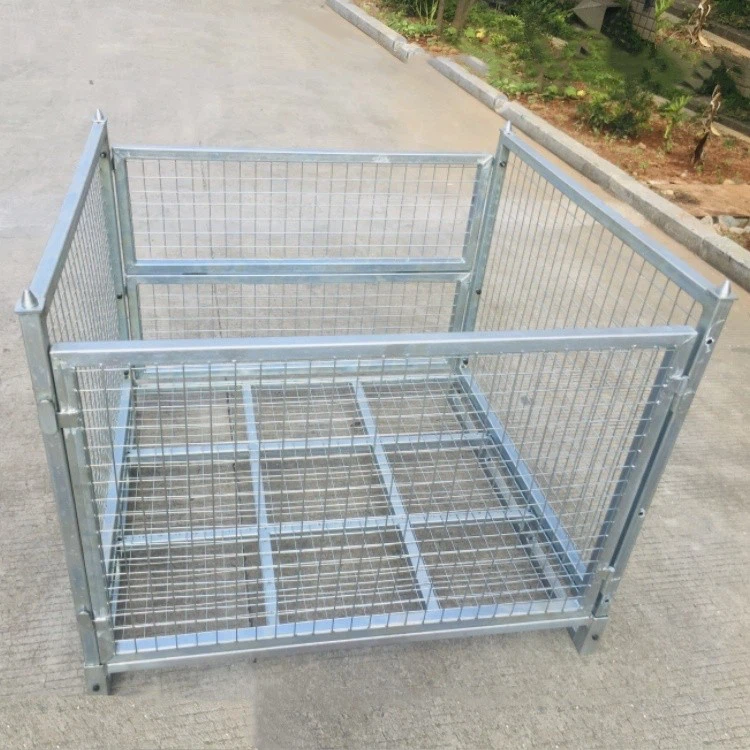
Forklift cages come with a variety of safety features, and you need to know how to use them. For example, most cages have guardrails to prevent people or goods from falling out. You'll learn how to check these guardrails for any damage before using the cage. Some cages also have safety gates that need to be properly closed and locked when in use. You'll be trained on how to operate these gates and how to ensure they're functioning correctly.
Operating in Different Conditions
You'll also be trained on how to operate the forklift cage in different conditions. This includes working in narrow aisles, on uneven surfaces, or in areas with poor visibility. When working in narrow aisles, you need to be extra careful not to hit the walls or other equipment. On uneven surfaces, the forklift can be more unstable, so you'll learn how to adjust your driving to keep it safe. And in areas with poor visibility, you'll learn how to use additional safety measures like warning signs and spotters.
Ongoing Training
Training isn't a one - time thing. It's important to have ongoing training for your forklift cage operators. This helps to keep their skills sharp and ensures that they're up - to - date with the latest safety regulations and best practices.
Ongoing training can include refresher courses every few years. These courses can cover any changes in the forklift cage design, new safety features, or updated regulations. You can also have on - the - job training sessions where experienced operators can share their tips and tricks with new operators.
Benefits of Proper Training
Proper training has a lot of benefits. First and foremost, it improves safety. When your operators are well - trained, the risk of accidents is significantly reduced. This means fewer injuries and less damage to equipment and goods.
It also improves efficiency. Trained operators know how to use the forklift cage more effectively, which means they can get the job done faster. They'll be able to load and unload goods more quickly, and they'll be less likely to make mistakes that could slow down the workflow.
Finally, proper training can save you money in the long run. Fewer accidents mean fewer insurance claims and less downtime due to equipment damage or operator injuries. It's a win - win situation for everyone involved.
Contact Us for Your Forklift Cage Needs
If you're in the market for a high - quality forklift cage, we're here to help. We offer a wide range of Goods Cages, Forklift Safety Access Cages, and Forklift Goods Cages that are designed to meet your specific needs. Whether you're a small business or a large corporation, we've got the right cage for you.
Contact us today to discuss your requirements and get a quote. Our team of experts is always ready to answer your questions and help you find the perfect forklift cage for your operation.
References
- Occupational Safety and Health Administration (OSHA). Forklift Operator Training Standards.
- Various forklift and forklift cage manufacturers' training manuals.





