Hey there! As a supplier of carton clamps, I often get asked if there are any special training requirements for using these nifty tools. Well, let's dive right in and find out.
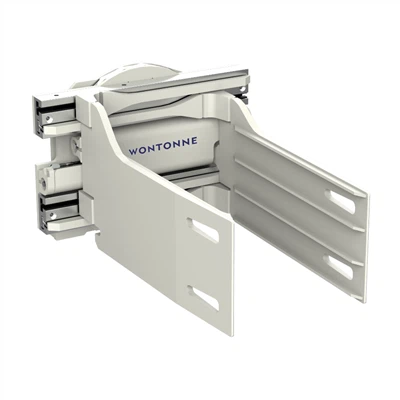
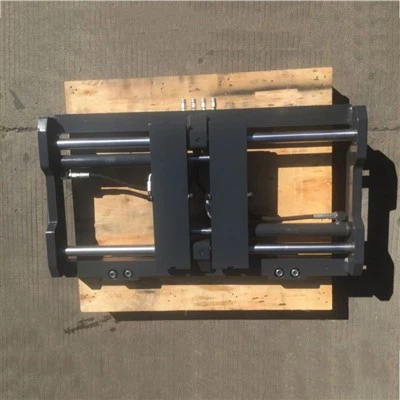
First off, what are carton clamps? They're forklift attachments designed to handle cartons, boxes, and other similar loads. Instead of using forks to lift pallets, carton clamps grip the sides of the load, allowing for more efficient and damage - free handling. We offer some great models like the CCS20E Carton Clamps - Forklift Attachment, CCS15E Carton Clamps - Forklift Attachment, and 20E Carton Clamps.
Now, back to the training question. The short answer is yes, there are some special training requirements, but they're not as scary as they might sound.
Basic Forklift Training
Before even thinking about using a carton clamp, operators need to have basic forklift training. This is because carton clamps are attached to forklifts, and you've got to know how to operate the forklift safely. Basic forklift training covers things like pre - shift inspections, how to start and stop the forklift, steering, and braking. It also includes safety protocols, such as wearing seat belts, using horns when necessary, and being aware of your surroundings.
Carton Clamp - Specific Training
Once an operator has the basic forklift skills down, they need carton clamp - specific training. Here's what it typically involves:
Understanding the Equipment
Operators need to know how the carton clamp works. This includes learning about the hydraulic system that powers the clamping mechanism. They should understand how to adjust the clamping force. If the clamping force is too high, it can damage the cartons. On the other hand, if it's too low, the load might slip and cause an accident.
They also need to know about the different types of carton clamps we offer. For example, some of our clamps are designed for lighter loads, while others can handle heavier ones. Knowing which clamp to use for a particular job is crucial.
Loading and Unloading
Loading and unloading with a carton clamp is different from using regular forks. Operators need to be trained on how to position the clamp correctly around the cartons. They should approach the load slowly and make sure the clamp is centered. Once the clamp is in place, they need to apply the right amount of pressure to secure the load.
When unloading, they have to release the clamping force gradually to prevent the cartons from falling or getting damaged. They also need to be careful when moving the load off the clamp, making sure it's stable before driving away.
Maintenance and Inspection
Proper maintenance and inspection are key to the safe and efficient operation of carton clamps. Operators should be trained on how to perform daily pre - shift inspections. This includes checking for any signs of wear and tear on the clamping pads, hydraulic hoses, and other components. They should also look for leaks in the hydraulic system.
If they notice any problems during the inspection, they need to know what to do. Sometimes, it might be as simple as tightening a loose bolt, but other times, they might need to report the issue to the maintenance team.


Safety Considerations
Safety is always the number one priority when using carton clamps. Here are some important safety points that are covered in training:
Load Capacity
Operators must never exceed the load capacity of the carton clamp. Each clamp has a specified maximum weight it can handle. Exceeding this limit can cause the clamp to fail, leading to a dangerous situation.
Visibility
Since carton clamps can block the operator's view, they need to use mirrors and other aids to ensure they have good visibility. They should also be aware of blind spots and take extra precautions when moving in areas with limited visibility.
Stability
Maintaining the stability of the forklift is crucial. When using a carton clamp, the center of gravity of the load can change. Operators need to be trained on how to adjust their driving style to account for this. For example, they might need to drive more slowly when carrying a large or heavy load.
Why Training Matters
You might be wondering why all this training is so important. Well, for starters, it reduces the risk of accidents. A well - trained operator is less likely to damage the cartons, the forklift, or the clamp itself. This means fewer costly repairs and replacements.
It also improves efficiency. When operators know how to use the carton clamp properly, they can handle more loads in less time. This can lead to increased productivity in your warehouse or distribution center.
Contact Us for More Information
If you're interested in our carton clamps or have questions about the training requirements, don't hesitate to reach out. Whether you're a small business looking for a simple solution or a large corporation with high - volume needs, we've got the right carton clamp for you. We can also provide guidance on training programs to ensure your operators are well - prepared to use our products safely and effectively.
References
- Forklift Safety Manuals
- Industry Standards for Forklift Attachments
- Manufacturer's Guides for Carton Clamps