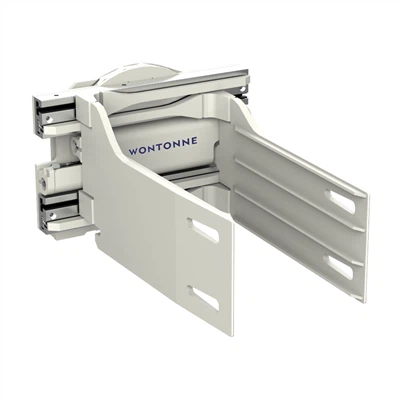
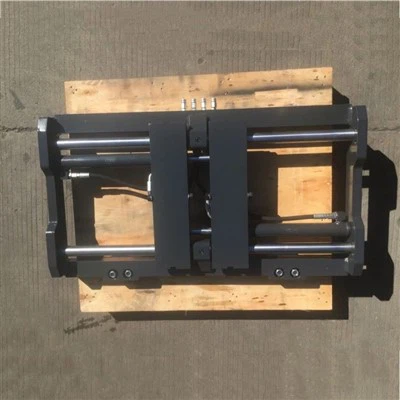
Fork positioners are essential tools in the material handling industry, offering increased efficiency and flexibility in warehouse operations. As a leading supplier of fork positioners, we often receive inquiries about whether these devices require any electrical connections. In this blog post, we will delve into this topic, exploring the different types of fork positioners and their electrical requirements.
Hydraulic Fork Positioners
The majority of fork positioners on the market are hydraulic. These devices operate using hydraulic power, which is typically provided by the forklift's hydraulic system. Hydraulic fork positioners do not require any electrical connections. They are connected to the forklift's hydraulic lines, allowing the operator to control the movement of the forks using the forklift's hydraulic controls.
Hydraulic fork positioners are popular because they are simple, reliable, and easy to install. They can be quickly attached to most forklifts without the need for complex electrical wiring or modifications. This makes them a cost - effective solution for many warehouses and distribution centers.
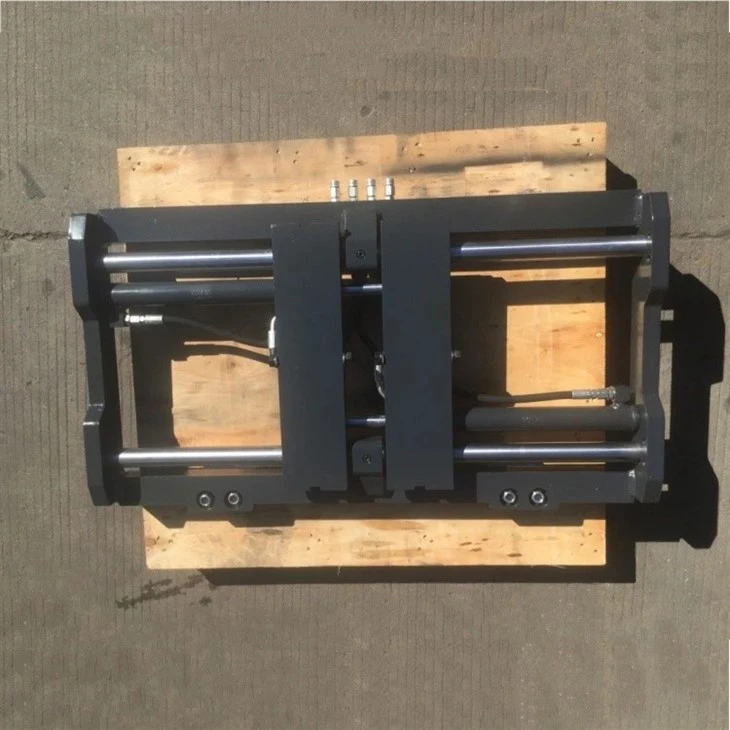
For example, our H Series fork Positioners are designed to work seamlessly with the forklift's hydraulic system. They offer smooth and precise fork positioning, enhancing the efficiency of load handling operations. The hydraulic power ensures that the forks can be adjusted quickly and accurately, reducing the time required to pick up and place loads.
Electric Fork Positioners
While hydraulic fork positioners are the norm, there are also electric fork positioners available. Electric fork positioners do require electrical connections. These devices are powered by an electric motor, which is connected to the forklift's electrical system.
Electric fork positioners offer several advantages. They are often more energy - efficient than their hydraulic counterparts, as they can be designed to use power only when needed. They also tend to produce less noise during operation, which can be beneficial in noise - sensitive environments such as food processing facilities or hospitals.
Our FPD30E Series Fork Positioners and FPD25E Series Fork Positioners are examples of electric fork positioners. These models are equipped with advanced electric motors that provide precise control over the fork movement. The electrical connection allows for easy integration with the forklift's control system, enabling the operator to adjust the fork position with just a push of a button.
Considerations When Choosing
When deciding between hydraulic and electric fork positioners, there are several factors to consider.
Cost
Hydraulic fork positioners are generally less expensive to purchase and install. They do not require the additional cost of electrical components and wiring. However, over the long term, electric fork positioners may offer cost savings due to their energy efficiency.
Environment
The operating environment plays a crucial role. In a noisy warehouse, the noise reduction offered by electric fork positioners may not be a significant factor. However, in a quiet environment, the lower noise level can be a major advantage. Additionally, in areas where there is a risk of hydraulic fluid leaks, electric fork positioners may be a safer choice.
Compatibility
It is essential to ensure that the fork positioner is compatible with the forklift. Hydraulic fork positioners need to be matched with the forklift's hydraulic system in terms of pressure and flow rate. Electric fork positioners must be compatible with the forklift's electrical system, including voltage and amperage requirements.
Maintenance
Both hydraulic and electric fork positioners require regular maintenance. Hydraulic fork positioners need to have their hydraulic fluid checked and changed periodically. The seals and hoses also need to be inspected for leaks. Electric fork positioners require maintenance of the electric motor, including checking the wiring for any signs of damage and ensuring proper lubrication of moving parts.
Conclusion
In conclusion, whether fork positioners require electrical connections depends on the type of fork positioner. Hydraulic fork positioners do not require electrical connections and are a popular choice due to their simplicity and reliability. Electric fork positioners, on the other hand, do require electrical connections but offer advantages such as energy efficiency and lower noise levels.
As a supplier of fork positioners, we understand the importance of choosing the right equipment for your specific needs. Our team of experts can help you evaluate your requirements and select the most suitable fork positioner for your operation. Whether you need a hydraulic or electric fork positioner, we have a wide range of products to meet your needs.
If you are interested in purchasing fork positioners or would like to discuss your options further, please feel free to reach out to us. We are ready to assist you in making an informed decision and ensuring that you get the best value for your investment.
References
- Material Handling Industry Association (MHIA) publications on forklift attachments
- Technical manuals of various forklift manufacturers
- Industry research reports on fork positioner technology