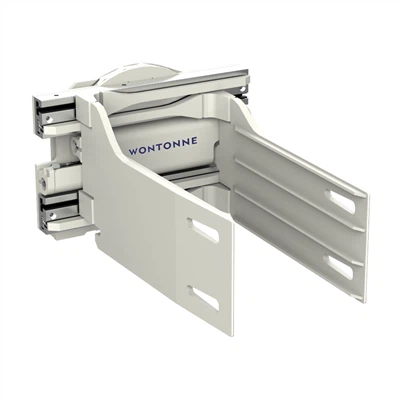
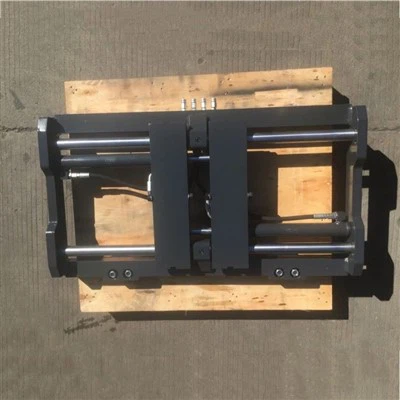
Can a forklift cage be used for bridge inspection? This is a question that often arises in the construction and inspection industries. As a supplier of forklift cages, I have encountered numerous inquiries regarding the feasibility and safety of using our products for bridge inspection. In this blog post, I will delve into the details of this matter, exploring the potential applications, limitations, and safety considerations associated with using forklift cages for bridge inspection.
Potential Applications of Forklift Cages in Bridge Inspection
Forklift cages, also known as forklift safety access cages or forklift goods cages, are versatile attachments that can be used in a variety of industrial settings. These cages are typically designed to provide a safe and stable platform for workers to access elevated areas, such as warehouses, factories, and construction sites. In the context of bridge inspection, forklift cages can offer several advantages:
- Accessibility: Forklift cages can be easily maneuvered into position using a forklift, providing quick and convenient access to hard-to-reach areas of a bridge. This can significantly reduce the time and effort required to conduct inspections, especially in areas with limited access or difficult terrain.
- Versatility: Forklift cages come in a variety of sizes and configurations, allowing them to be customized to meet the specific needs of a bridge inspection project. Whether you need to access a small section of a bridge or conduct a comprehensive inspection of an entire structure, there is a forklift cage that can be tailored to your requirements.
- Safety: Forklift cages are designed with safety in mind, featuring sturdy construction, secure handrails, and non-slip flooring to prevent accidents and injuries. When used in conjunction with proper safety equipment and procedures, forklift cages can provide a safe and reliable platform for workers to conduct bridge inspections.
Limitations of Using Forklift Cages for Bridge Inspection
While forklift cages can offer several advantages for bridge inspection, it is important to recognize their limitations. Some of the key limitations of using forklift cages for bridge inspection include:
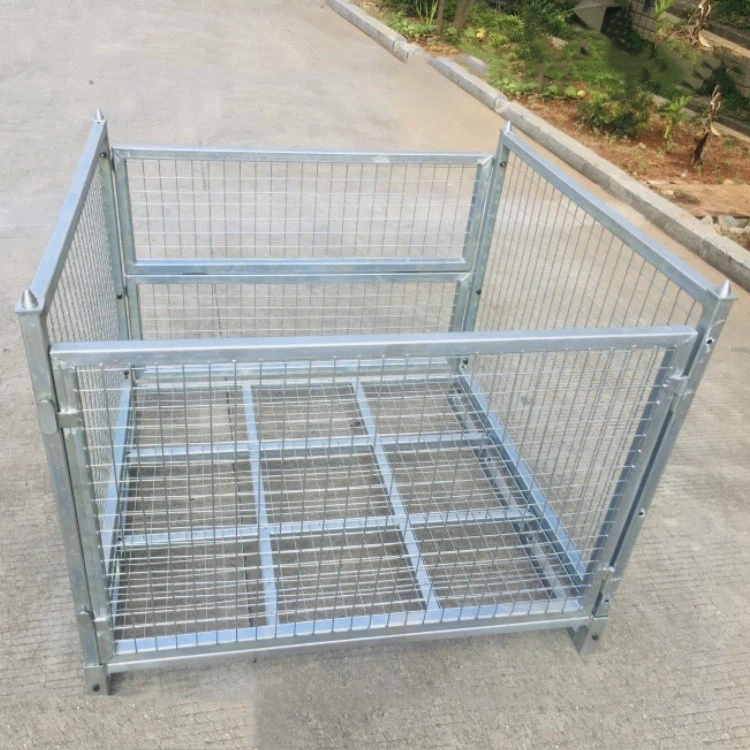
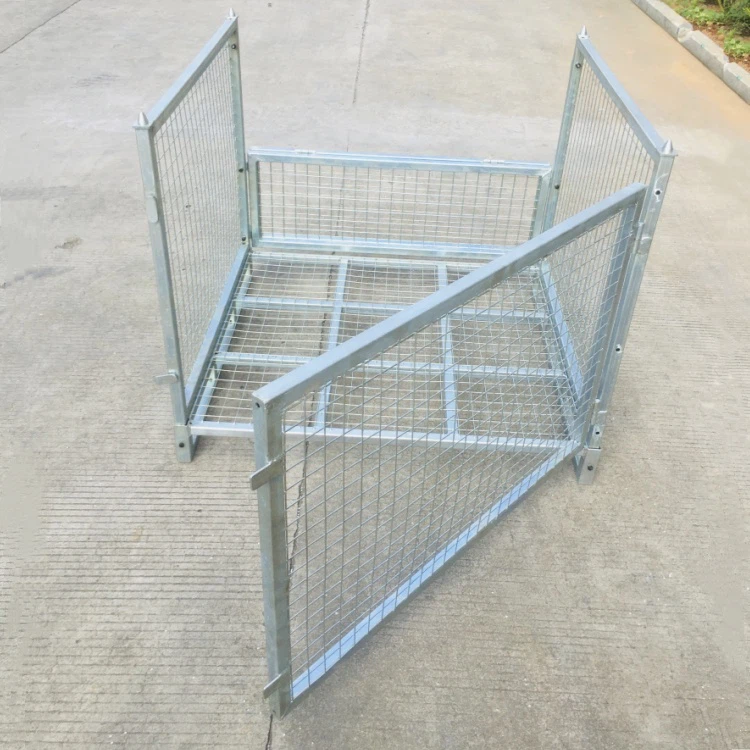
- Height Restrictions: Forklift cages are typically designed for use at relatively low heights, typically up to a few meters. As such, they may not be suitable for inspecting bridges that are very tall or have complex geometries. In these cases, alternative access methods, such as scaffolding or aerial work platforms, may be more appropriate.
- Load Capacity: Forklift cages have a limited load capacity, which means that they can only support a certain amount of weight. When using a forklift cage for bridge inspection, it is important to ensure that the total weight of the workers, equipment, and materials in the cage does not exceed the rated load capacity of the cage.
- Weather Conditions: Forklift cages are not designed to withstand extreme weather conditions, such as high winds, heavy rain, or snow. When using a forklift cage for bridge inspection, it is important to monitor the weather conditions and take appropriate precautions to ensure the safety of the workers.
Safety Considerations for Using Forklift Cages in Bridge Inspection
Safety should always be the top priority when using forklift cages for bridge inspection. To ensure the safety of the workers, it is important to follow these safety guidelines:
- Training and Certification: All workers who will be using the forklift cage should receive proper training and certification in forklift operation and safety. This training should include instruction on how to operate the forklift safely, how to use the forklift cage correctly, and how to identify and avoid potential hazards.
- Inspection and Maintenance: Before each use, the forklift cage should be inspected thoroughly to ensure that it is in good working condition. Any damaged or worn parts should be repaired or replaced immediately. In addition, the forklift cage should be maintained regularly according to the manufacturer's recommendations.
- Safety Equipment: All workers who will be using the forklift cage should wear appropriate safety equipment, such as hard hats, safety glasses, safety harnesses, and non-slip shoes. In addition, the forklift cage should be equipped with safety features, such as handrails, guardrails, and emergency stop buttons.
- Risk Assessment: Before using the forklift cage for bridge inspection, a risk assessment should be conducted to identify and evaluate the potential hazards associated with the task. Based on the results of the risk assessment, appropriate control measures should be implemented to minimize the risk of accidents and injuries.
Conclusion
In conclusion, forklift cages can be a useful tool for bridge inspection, providing quick and convenient access to hard-to-reach areas of a bridge. However, it is important to recognize their limitations and to follow proper safety guidelines when using them. By doing so, you can ensure the safety of the workers and the success of the bridge inspection project.
If you are interested in learning more about our Forklift Goods Cages, Forklift Safety Access Cage, or Goods Cages for bridge inspection or other applications, please feel free to contact us. Our team of experts will be happy to assist you in selecting the right product for your needs and to provide you with all the information and support you need to ensure a successful project.
References
- OSHA. (n.d.). Forklift Safety. Retrieved from [OSHA Website]
- ANSI/ASME B56.6 - 2018. Safety Standard for Rough - Terrain Forklifts.
- Manufacturer's Manuals for Forklift Cages.