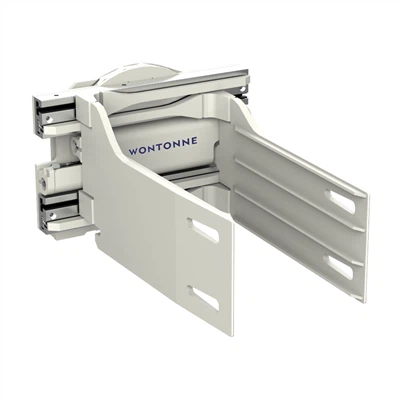
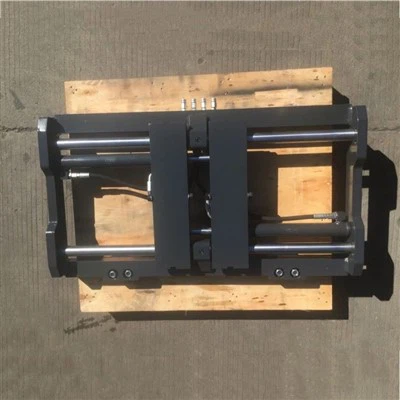
Maintaining a Turnaload Clamp is crucial for ensuring its optimal performance, longevity, and safety in various industrial applications. As a trusted Turnaload Clamp supplier, I understand the significance of proper maintenance and am here to share some valuable insights with you.
Understanding the Turnaload Clamp
Before delving into maintenance procedures, it's essential to have a basic understanding of what a Turnaload Clamp is and its functions. Turnaload Clamps are versatile hydraulic attachments designed for forklifts, used to handle a wide range of materials such as concrete blocks, stone blocks, foam rubber, and bales. They come in different types and configurations to meet specific industry needs. For example, the Heavy-Duty Multi-Purpose Block Clamp – Forklift Accessory For Efficient Handling Of Concrete & Stone Blocks is ideal for heavy-duty material handling, while the Foam Rubber Clamps are designed to handle delicate foam rubber materials without causing damage. The Bale Clamp - E Series- Side Shifting is specifically designed for handling bales with side-shifting capabilities.
Regular Inspection
Regular inspection is the cornerstone of maintaining a Turnaload Clamp. It allows you to identify potential issues early on and take corrective actions before they escalate into major problems. Here are some key areas to focus on during inspections:
Visual Inspection
- Hydraulic Hoses and Fittings: Check for any signs of wear, cracks, leaks, or loose fittings in the hydraulic hoses. Damaged hoses can lead to hydraulic fluid leaks, which not only reduce the efficiency of the clamp but also pose safety hazards. Replace any damaged hoses or fittings immediately.
- Clamp Jaws: Inspect the clamp jaws for wear, damage, or misalignment. The jaws should be clean and free of debris, and their gripping surfaces should be in good condition. If the jaws show signs of excessive wear, they may need to be replaced or reconditioned.
- Structural Components: Examine the frame, arms, and other structural components of the clamp for any signs of cracks, bends, or deformation. Structural damage can compromise the integrity of the clamp and affect its performance and safety. If any damage is detected, the clamp should be taken out of service and repaired by a qualified technician.
Functionality Testing
- Hydraulic System: Test the hydraulic system to ensure that the clamp operates smoothly and efficiently. Check the pressure levels, flow rates, and response times of the hydraulic cylinders. Any abnormal noises, vibrations, or delays in operation may indicate a problem with the hydraulic system, which should be investigated and repaired promptly.
- Gripping Force: Test the gripping force of the clamp to ensure that it is sufficient to hold the load securely. Use a load cell or other appropriate measuring device to measure the gripping force. If the gripping force is below the recommended level, it may be necessary to adjust the hydraulic pressure or replace the worn-out components.
Lubrication
Proper lubrication is essential for reducing friction, wear, and corrosion in the moving parts of the Turnaload Clamp. It helps to extend the lifespan of the components and ensure smooth operation. Here are some lubrication tips:

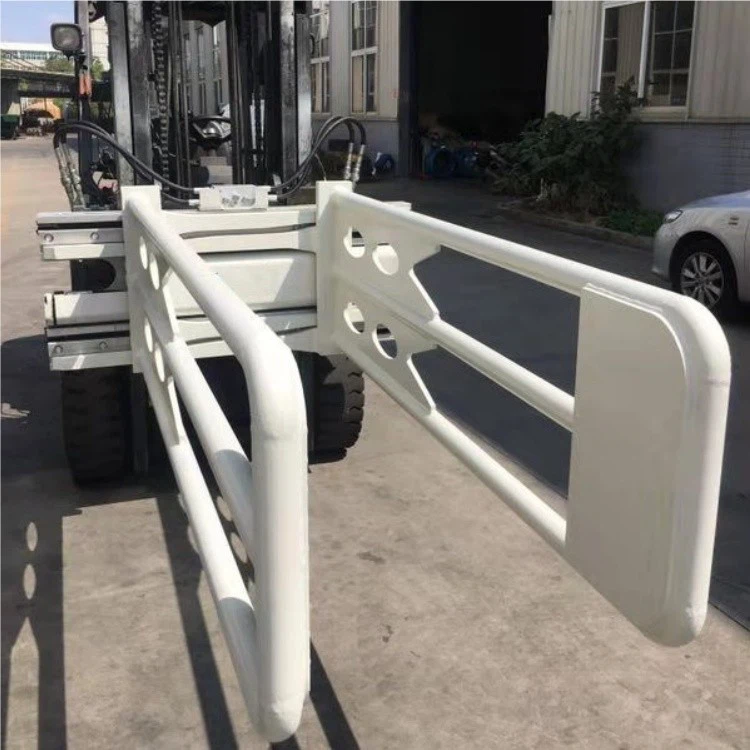
- Follow the Manufacturer's Recommendations: Refer to the manufacturer's manual for the recommended lubricants and lubrication intervals for your specific Turnaload Clamp model. Different components may require different types of lubricants, such as grease or oil, so it's important to use the right one.
- Lubricate Moving Parts: Apply lubricant to all moving parts, such as pivot points, bearings, and slides, at regular intervals. Use a lubrication gun or brush to ensure that the lubricant is evenly distributed.
- Clean Before Lubrication: Before applying lubricant, clean the moving parts to remove any dirt, debris, or old lubricant. This helps to prevent the accumulation of contaminants, which can cause premature wear and damage.
Cleaning
Regular cleaning is an important part of maintaining a Turnaload Clamp. It helps to remove dirt, debris, and other contaminants that can accumulate on the clamp and affect its performance. Here are some cleaning tips:
- Use Appropriate Cleaning Tools and Agents: Use a soft brush, cloth, or pressure washer to clean the clamp. Avoid using abrasive materials or harsh chemicals that can damage the surface of the clamp.
- Clean All Surfaces: Clean all surfaces of the clamp, including the clamp jaws, hydraulic hoses, and structural components. Pay special attention to hard-to-reach areas and crevices where dirt and debris can accumulate.
- Dry Thoroughly: After cleaning, dry the clamp thoroughly to prevent rust and corrosion. Use a clean cloth or compressed air to remove any remaining moisture.
Storage
Proper storage is crucial for protecting the Turnaload Clamp when it is not in use. Here are some storage tips:
- Store in a Dry and Clean Environment: Store the clamp in a dry, clean, and well-ventilated area to prevent rust and corrosion. Avoid storing the clamp in areas exposed to moisture, direct sunlight, or extreme temperatures.
- Protect the Clamp Jaws: Cover the clamp jaws with a protective material, such as a plastic sheet or rubber mat, to prevent damage during storage.
- Release Hydraulic Pressure: Before storing the clamp, release the hydraulic pressure to relieve stress on the hydraulic system and prevent leaks.
Training and Operator Awareness
Proper training of operators is essential for the safe and efficient use of the Turnaload Clamp. Operators should be familiar with the clamp's operating procedures, safety features, and maintenance requirements. Here are some training and operator awareness tips:
- Provide Comprehensive Training: Provide comprehensive training to operators on the proper use, maintenance, and safety procedures of the Turnaload Clamp. The training should include both theoretical and practical components to ensure that operators have a thorough understanding of the clamp.
- Emphasize Safety: Emphasize the importance of safety in all aspects of the clamp's operation. Operators should be aware of the potential hazards associated with the clamp and take appropriate precautions to prevent accidents.
- Encourage Operator Feedback: Encourage operators to provide feedback on the performance and maintenance of the clamp. They may be able to identify potential issues or suggest improvements that can help to enhance the clamp's efficiency and safety.
Conclusion
Maintaining a Turnaload Clamp is a critical task that requires regular inspection, lubrication, cleaning, and proper storage. By following the maintenance tips outlined in this blog, you can ensure the optimal performance, longevity, and safety of your Turnaload Clamp. As a Turnaload Clamp supplier, I am committed to providing high-quality products and excellent customer service. If you have any questions or need further assistance with maintaining your Turnaload Clamp, please feel free to contact us for more information. We are always here to help you with your procurement needs and ensure that you get the most out of your Turnaload Clamp.
References
- Manufacturer's manuals for Turnaload Clamps
- Industry standards and best practices for forklift attachments maintenance
- Technical literature on hydraulic systems and wear prevention