

In the realm of commercial vehicle operations, the question of whether one can use a tire attachment often arises. As a tire attachment supplier, I've witnessed firsthand the diverse needs and concerns of commercial vehicle owners and operators. This blog aims to provide a comprehensive exploration of this topic, shedding light on the feasibility, benefits, and considerations associated with using tire attachments on commercial vehicles.
Understanding Tire Attachments
Before delving into the question of using tire attachments on commercial vehicles, it's essential to understand what tire attachments are and how they function. Tire attachments are specialized tools designed to facilitate the handling, mounting, and dismounting of tires. They come in various types, each tailored to specific applications and vehicle requirements.
One common type of tire attachment is the tire clamp. Stainless Steel Forklift Attachments New Condition Tyre Clamp in Rotating Type is a prime example of a high-quality tire clamp. This rotating type tire clamp is made of stainless steel, ensuring durability and reliability in demanding commercial environments. It allows for easy and efficient handling of tires, reducing the risk of damage during the mounting and dismounting process.
Another type of tire attachment is the sliding arm bale clamp. The Sliding Arm Bale Clamp – Adjustable Forklift Attachment For Versatile Bale Handling is designed to provide versatile handling capabilities for different types of bales, including tires. Its adjustable arms allow for a customized grip, ensuring secure and stable handling of tires of various sizes.
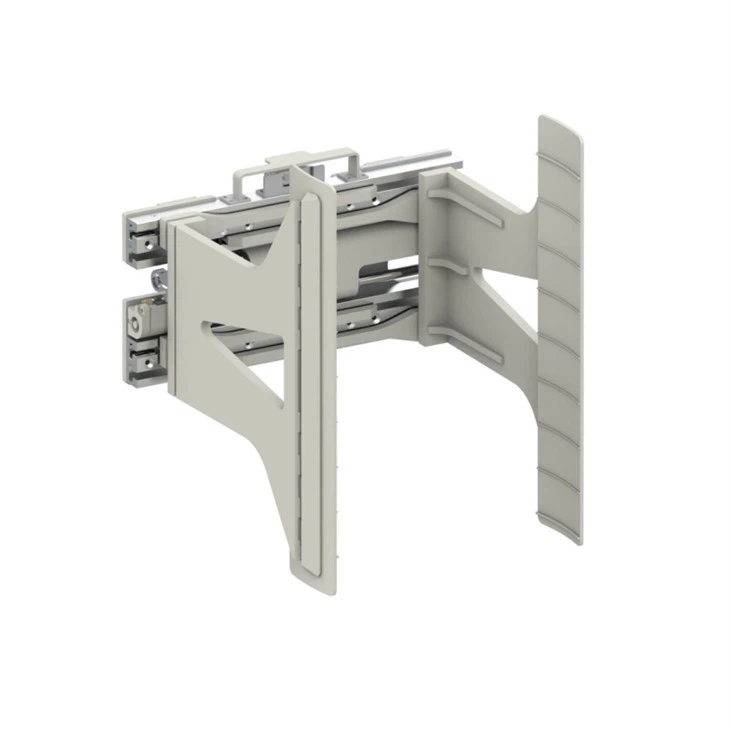
The PTS20D Sliding Arm Type is yet another innovative tire attachment. This sliding arm type attachment offers enhanced flexibility and maneuverability, making it suitable for a wide range of commercial vehicle applications. It can be easily adjusted to accommodate different tire sizes and weights, providing a practical solution for tire handling tasks.
Feasibility of Using Tire Attachments on Commercial Vehicles
The feasibility of using tire attachments on commercial vehicles depends on several factors, including the type of vehicle, the nature of the tire handling task, and the compatibility of the attachment with the vehicle's lifting system.
Type of Vehicle
Commercial vehicles come in various shapes and sizes, each with its own unique characteristics and capabilities. Some vehicles, such as forklifts and loaders, are specifically designed to handle heavy loads and are equipped with lifting systems that can easily accommodate tire attachments. These vehicles are well-suited for using tire attachments, as they provide the necessary power and stability to perform tire handling tasks safely and efficiently.
On the other hand, some commercial vehicles, such as trucks and vans, may not be equipped with the appropriate lifting systems to support tire attachments. In such cases, it may be necessary to modify the vehicle or use a separate lifting device to ensure the safe and proper use of tire attachments.
Nature of the Tire Handling Task
The nature of the tire handling task also plays a crucial role in determining the feasibility of using tire attachments on commercial vehicles. If the task involves handling large, heavy tires on a regular basis, a more robust and specialized tire attachment may be required. For example, if you are a tire retailer or a fleet maintenance facility, you may need a tire attachment that can handle tires of various sizes and weights with ease.
On the other hand, if the task involves handling smaller, lighter tires on an occasional basis, a simpler and more lightweight tire attachment may be sufficient. For example, if you are a delivery driver who needs to change a flat tire on the road, a basic tire changing tool or a portable tire attachment may be all you need.
Compatibility with the Vehicle's Lifting System
The compatibility of the tire attachment with the vehicle's lifting system is another important consideration. Before using a tire attachment on a commercial vehicle, it is essential to ensure that the attachment is designed to work with the specific lifting system of the vehicle. This includes checking the attachment's weight capacity, mounting requirements, and hydraulic connections.
Using an incompatible tire attachment can not only lead to poor performance and inefficiency but also pose a safety risk. It is recommended to consult with a professional or the manufacturer of the tire attachment to ensure proper compatibility and installation.

Benefits of Using Tire Attachments on Commercial Vehicles
Using tire attachments on commercial vehicles offers several benefits, including increased efficiency, improved safety, and reduced labor costs.
Increased Efficiency
Tire attachments are designed to streamline the tire handling process, making it faster and more efficient. With the use of a tire attachment, tires can be easily and quickly mounted and dismounted from the vehicle, reducing the time and effort required for tire changes. This can result in significant time savings, especially in high-volume tire handling operations.
For example, in a tire manufacturing plant, the use of tire attachments can help to increase the production rate by reducing the time spent on tire handling tasks. Similarly, in a fleet maintenance facility, the use of tire attachments can help to reduce the downtime of vehicles, allowing them to get back on the road more quickly.
Improved Safety
Tire handling can be a dangerous task, especially when dealing with large, heavy tires. Using a tire attachment can help to improve safety by reducing the risk of injuries and accidents. Tire attachments are designed to provide a secure and stable grip on the tires, preventing them from slipping or falling during the handling process.
In addition, tire attachments can help to reduce the physical strain on workers, as they eliminate the need for manual lifting and handling of tires. This can help to prevent back injuries, strains, and other musculoskeletal disorders, making the workplace safer and more comfortable for employees.
Reduced Labor Costs
The use of tire attachments can also help to reduce labor costs by increasing productivity and efficiency. With the use of a tire attachment, fewer workers are required to perform tire handling tasks, as the attachment can do the work of several people. This can result in significant cost savings, especially in labor-intensive industries.
For example, in a tire recycling facility, the use of tire attachments can help to reduce the number of workers needed to handle tires, resulting in lower labor costs. Similarly, in a tire service center, the use of tire attachments can help to increase the throughput of vehicles, allowing the center to serve more customers with the same number of employees.
Considerations When Using Tire Attachments on Commercial Vehicles
While using tire attachments on commercial vehicles offers many benefits, there are also some considerations that need to be taken into account to ensure safe and proper use.
Maintenance and Inspection
Regular maintenance and inspection of tire attachments are essential to ensure their safe and reliable operation. This includes checking the attachment's hydraulic system, mounting hardware, and moving parts for signs of wear and tear. Any damaged or worn components should be replaced immediately to prevent accidents and breakdowns.
In addition, it is important to follow the manufacturer's recommended maintenance schedule and procedures for the tire attachment. This may include lubricating the moving parts, checking the fluid levels, and performing regular inspections.
Training and Certification
Proper training and certification are essential for anyone who operates a tire attachment on a commercial vehicle. Operators should be trained on the safe and proper use of the attachment, including how to mount and dismount tires, how to operate the hydraulic system, and how to perform basic maintenance tasks.
In addition, operators should be certified to operate the specific type of tire attachment they will be using. This certification ensures that the operator has the necessary knowledge and skills to operate the attachment safely and effectively.
Regulatory Compliance
When using tire attachments on commercial vehicles, it is important to comply with all relevant regulations and standards. This includes local, state, and federal regulations regarding vehicle safety, equipment safety, and workplace safety.
In addition, some industries may have specific regulations and standards regarding the use of tire attachments. For example, in the transportation industry, there may be regulations regarding the weight and size of tires that can be transported on commercial vehicles. It is important to familiarize yourself with these regulations and ensure that you are in compliance when using tire attachments on commercial vehicles.
Conclusion
In conclusion, the use of tire attachments on commercial vehicles is a viable and beneficial option for many businesses. With the right tire attachment and proper installation, commercial vehicle owners and operators can enjoy increased efficiency, improved safety, and reduced labor costs. However, it is important to carefully consider the feasibility, benefits, and considerations associated with using tire attachments on commercial vehicles before making a decision.
If you are interested in learning more about tire attachments or would like to discuss your specific tire handling needs, please feel free to contact us. Our team of experts is available to provide you with personalized advice and solutions to help you find the right tire attachment for your commercial vehicle.
References
- Manufacturer's manuals and specifications for tire attachments
- Industry standards and regulations regarding vehicle safety and equipment use
- Research studies and articles on tire handling and attachment technology





