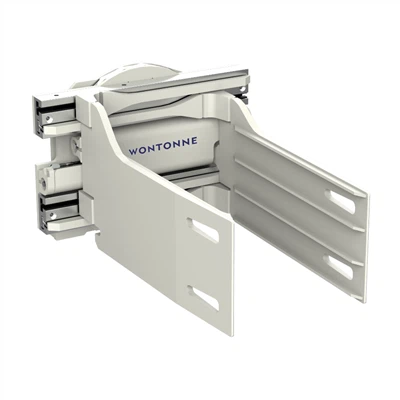
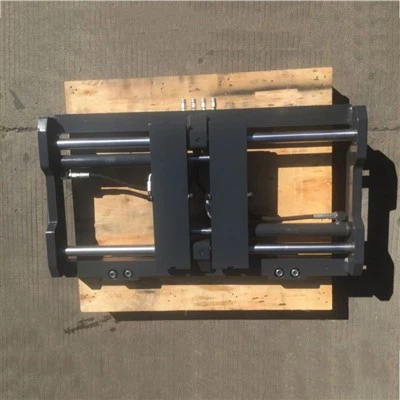
As a supplier of hinge attachments, understanding the temperature - resistance properties of these products is crucial. Hinge attachments are widely used in various industries, from construction machinery to industrial manufacturing, and their performance under different temperature conditions can significantly affect the overall operation of the equipment they are part of.
Temperature - Resistance Basics
Temperature can have a profound impact on the physical and mechanical properties of hinge attachments. In general, extreme temperatures, whether high or low, can lead to changes in material properties, which may in turn affect the functionality and durability of the hinge.
At high temperatures, materials tend to expand. This expansion can cause dimensional changes in the hinge attachment. For example, if the hinge is made of metal, the thermal expansion can lead to increased stress on the components. If the expansion is not properly accounted for in the design, it may result in binding or misalignment of the hinge, reducing its smooth operation. Moreover, high temperatures can also lead to a decrease in the strength of the material. Metals may experience a reduction in their yield strength and hardness, making them more susceptible to deformation and wear.
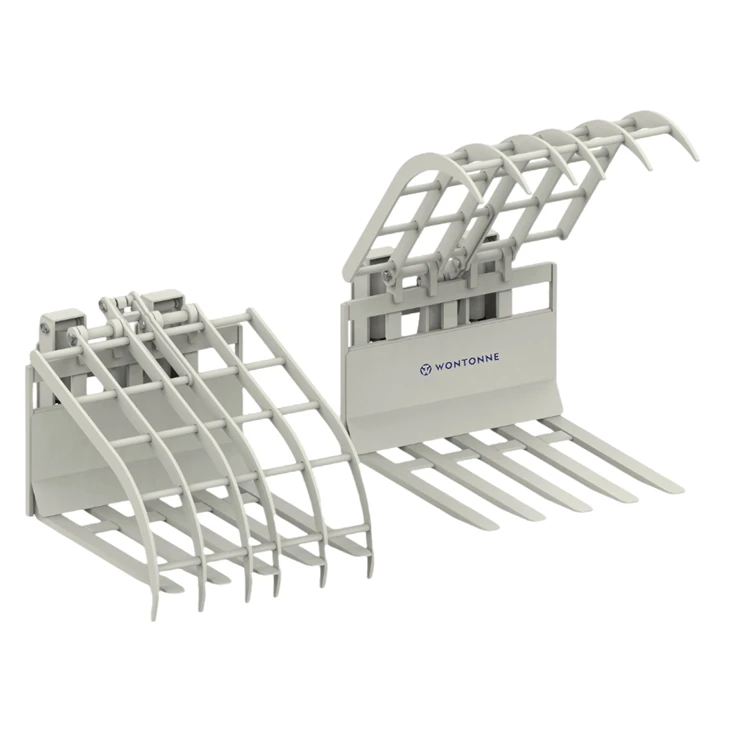

On the other hand, low temperatures can make materials more brittle. When exposed to cold environments, the ductility of the hinge material decreases, and the risk of cracking or fracturing increases. For instance, some plastics used in hinge attachments may become extremely brittle at low temperatures, losing their flexibility and ability to absorb shock.
Factors Affecting Temperature Resistance
The temperature - resistance properties of a hinge attachment are influenced by several factors, including the material used, the design of the hinge, and any surface treatments applied.
Material Selection
The choice of material is perhaps the most critical factor in determining temperature resistance. Different materials have different thermal properties. Metals such as stainless steel and titanium are known for their relatively good high - temperature resistance. Stainless steel can maintain its strength and corrosion resistance at elevated temperatures, making it suitable for applications where the hinge may be exposed to heat. Titanium, on the other hand, has a high strength - to - weight ratio and excellent heat resistance, which is beneficial in aerospace and high - performance industrial applications.
For applications in cold environments, materials with good low - temperature toughness are preferred. Some alloys, like certain types of nickel - based alloys, have excellent low - temperature properties and can resist cracking even at extremely cold temperatures.
Plastics can also be used in hinge attachments, but their temperature resistance is more limited compared to metals. However, engineering plastics such as polyether ether ketone (PEEK) have relatively good high - temperature resistance and can be used in some applications where moderate heat is present.
Hinge Design
The design of the hinge also plays a role in its temperature - resistance. A well - designed hinge should allow for thermal expansion and contraction without causing excessive stress on the components. For example, a hinge with a loose fit or a design that incorporates expansion joints can better accommodate the dimensional changes caused by temperature variations.
The shape and size of the hinge can also affect its heat transfer characteristics. A hinge with a larger surface area may dissipate heat more effectively, reducing the risk of overheating. Additionally, the internal structure of the hinge, such as the presence of lubrication channels or heat - conducting elements, can improve its temperature - resistance performance.
Surface Treatments
Surface treatments can enhance the temperature - resistance of hinge attachments. For example, coatings can provide a protective layer that reduces the impact of high temperatures on the material. Ceramic coatings, for instance, have good thermal insulation properties and can prevent the underlying metal from reaching extremely high temperatures.
In cold environments, anti - icing coatings can be applied to prevent ice formation on the hinge, which could otherwise affect its operation. These coatings can reduce the adhesion of ice and snow, ensuring that the hinge functions smoothly even in freezing conditions.
Temperature - Resistance Testing
To ensure the quality and performance of our hinge attachments, we conduct rigorous temperature - resistance testing. Our testing procedures are designed to simulate the real - world temperature conditions that the hinges may encounter.
We use environmental chambers to subject the hinge attachments to a range of temperatures, from extremely low to high. During the testing process, we monitor the dimensional changes, mechanical properties, and functionality of the hinges. For example, we measure the change in the hinge's opening and closing force as the temperature varies. We also check for any signs of cracking, deformation, or wear on the components.
Based on the test results, we can make necessary adjustments to the material selection, design, or surface treatments of the hinge attachments. This continuous improvement process helps us to provide products that can meet the demanding temperature requirements of our customers.
Our Product Offerings
We offer a wide range of hinge attachments with different temperature - resistance properties to meet the diverse needs of our customers. Some of our popular products include:
- HFB45D Hinged Forks: These hinged forks are made of high - strength steel, which provides good temperature resistance. They are suitable for use in various industrial applications, even in environments with moderate temperature variations.
- Hinged Steel Pipe Handler: Our hinged steel pipe handler is designed to handle heavy - duty tasks. It is made of materials that can withstand both high and low temperatures, ensuring reliable performance in different working conditions.
- Hinged Broke Handler - HKB30D: This hinge attachment is engineered for durability and temperature resistance. It is suitable for use in construction and mining industries, where the equipment may be exposed to harsh temperature environments.
Conclusion
The temperature - resistance properties of hinge attachments are of great importance in ensuring their reliable performance in various applications. By carefully selecting materials, optimizing the design, and applying appropriate surface treatments, we can produce hinge attachments that can withstand a wide range of temperatures.
If you are in need of high - quality hinge attachments with excellent temperature - resistance properties, we invite you to contact us for procurement and further discussions. Our team of experts is ready to provide you with the best solutions tailored to your specific requirements.
References
- "Materials Science and Engineering: An Introduction" by William D. Callister, Jr. and David G. Rethwisch.
- "Thermal Properties of Materials" by David R. Gaskell.
- Industry standards and guidelines related to hinge attachments and temperature resistance.