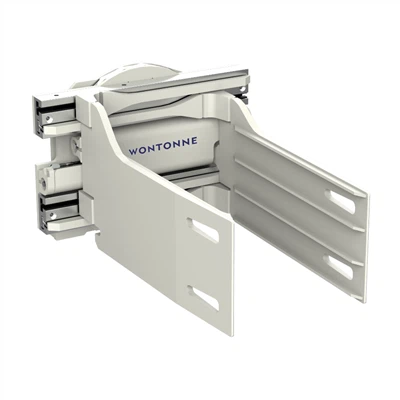
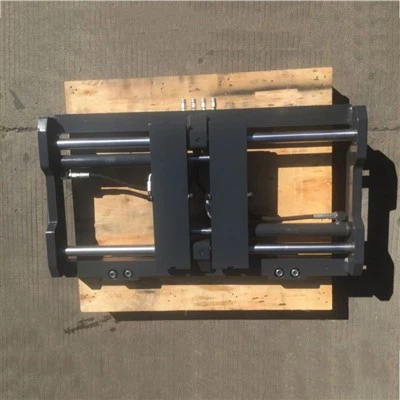
As a reputable supplier of forklift rotators, I often encounter inquiries from customers about the response time of these essential attachments. The response time of a forklift rotator is a critical factor that significantly impacts its efficiency and overall performance in various industrial applications. In this blog post, I will delve into the concept of response time, explore the factors that influence it, and discuss how our products, such as the D Series Hollow-out Rotator, RRB54D D Series Rotator, Hollow-out Type, and G Series Hollow-out Rotator, are designed to optimize this crucial aspect.
Understanding Response Time
Response time, in the context of a forklift rotator, refers to the time it takes for the rotator to initiate and complete a rotational movement in response to an operator's command. It encompasses the time from when the operator activates the control mechanism, such as a hydraulic valve or an electronic switch, to the moment the rotator reaches the desired angular position. A shorter response time is generally desirable as it allows for quicker and more precise handling of loads, leading to increased productivity and reduced cycle times in material handling operations.
Factors Influencing Response Time
Several factors can influence the response time of a forklift rotator. Understanding these factors is essential for selecting the right rotator for your specific application and ensuring optimal performance.
Hydraulic System Design
The hydraulic system is a key component of a forklift rotator, and its design plays a crucial role in determining the response time. A well-designed hydraulic system with high-quality components, such as valves, pumps, and cylinders, can minimize internal leakage and pressure losses, allowing for faster and more efficient operation. Additionally, the size and capacity of the hydraulic components should be carefully matched to the requirements of the rotator to ensure adequate flow and pressure for quick response.
Rotator Mechanism
The mechanical design of the rotator itself can also affect its response time. Factors such as the type of bearings, gears, and seals used in the rotator can impact its rotational smoothness and resistance to friction. A rotator with low-friction components and a well-lubricated mechanism will generally have a shorter response time as it can rotate more freely and quickly in response to the hydraulic or electrical input.
Control System
The control system of the forklift rotator, whether it is hydraulic or electronic, can significantly influence the response time. A responsive control system with precise calibration and minimal lag can accurately translate the operator's commands into immediate rotational movements. Electronic control systems, in particular, offer the advantage of faster response times and greater flexibility in terms of programming and customization.
Load Characteristics
The size, weight, and center of gravity of the load being rotated can also affect the response time of the rotator. Heavier and larger loads require more torque to rotate, which can slow down the response time. Additionally, an unevenly distributed load or a load with a high center of gravity can create additional resistance and instability, further impacting the rotator's ability to respond quickly and accurately.
Optimizing Response Time with Our Forklift Rotators
At our company, we understand the importance of response time in forklift rotators, and we have invested significant resources in research and development to optimize this critical aspect of our products. Our D Series Hollow-out Rotator, RRB54D D Series Rotator, Hollow-out Type, and G Series Hollow-out Rotator are designed with state-of-the-art hydraulic systems and advanced control technologies to ensure fast and precise response times.
Advanced Hydraulic Technology
Our rotators feature high-performance hydraulic systems with precision-engineered valves and cylinders that minimize internal leakage and pressure losses. This allows for rapid and efficient transfer of hydraulic power, resulting in quick and smooth rotational movements. Additionally, our hydraulic systems are designed to provide consistent performance under varying load conditions, ensuring reliable response times even in demanding applications.
Low-Friction Design
We have incorporated low-friction components and advanced lubrication systems into our rotators to reduce rotational resistance and improve response times. Our rotators use high-quality bearings and seals that minimize friction and wear, allowing for smooth and efficient rotation. This not only improves the response time but also extends the service life of the rotator and reduces maintenance requirements.
Electronic Control Systems
Many of our forklift rotators are equipped with electronic control systems that offer fast and accurate response times. These systems use advanced sensors and microprocessors to precisely monitor and control the rotational movement of the rotator, allowing for quick and precise adjustments in response to the operator's commands. Electronic control systems also offer the advantage of programmable features, such as speed control and position sensing, which can further enhance the performance and versatility of the rotator.
Applications and Benefits of Fast Response Time
The fast response time of our forklift rotators offers several benefits in a wide range of industrial applications.
Warehousing and Distribution
In warehousing and distribution centers, where efficient material handling is crucial, a forklift rotator with a fast response time can significantly improve productivity. Quick and precise rotation of loads allows for faster loading and unloading of pallets, containers, and other materials, reducing cycle times and increasing throughput. Additionally, the ability to handle loads with greater accuracy can minimize the risk of damage to goods and improve overall safety in the workplace.
Manufacturing and Assembly
In manufacturing and assembly operations, a forklift rotator with a short response time can enhance the efficiency of production processes. It allows for quick and easy repositioning of workpieces, tools, and equipment, enabling faster assembly and disassembly of products. This can lead to reduced production times, increased output, and improved quality control.
Recycling and Waste Management
In the recycling and waste management industry, a fast-response forklift rotator is essential for handling and sorting various types of materials. It enables operators to quickly rotate and position large and bulky items, such as scrap metal, waste containers, and construction debris, for efficient processing and disposal. The ability to respond rapidly to changing load requirements and work conditions can improve the overall efficiency and effectiveness of recycling operations.
Contact Us for Your Forklift Rotator Needs
If you are looking for a forklift rotator with fast response time and reliable performance, look no further. Our extensive range of D Series Hollow-out Rotator, RRB54D D Series Rotator, Hollow-out Type, and G Series Hollow-out Rotator is designed to meet the diverse needs of various industries. We offer customized solutions tailored to your specific requirements, ensuring that you get the right rotator for your application.
To learn more about our forklift rotators and how they can improve your material handling operations, please contact us today. Our team of experts is ready to assist you in selecting the best rotator for your needs and providing you with comprehensive technical support and after-sales service.


References
- Manufacturer's documentation for forklift rotators.
- Industry standards and guidelines for material handling equipment.
- Technical papers and research articles on hydraulic system design and control.