Securing the load on a push pull forklift is a critical aspect of material handling operations. As a supplier of push pull forklifts, I understand the importance of ensuring that loads are properly secured to prevent accidents, damage to goods, and improve overall efficiency. In this blog post, I will share some essential tips and best practices on how to secure the load on a push pull forklift.


Understanding the Push Pull Forklift
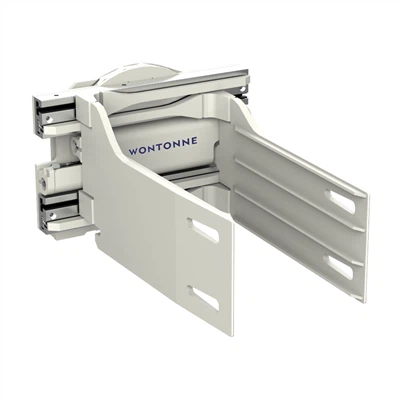
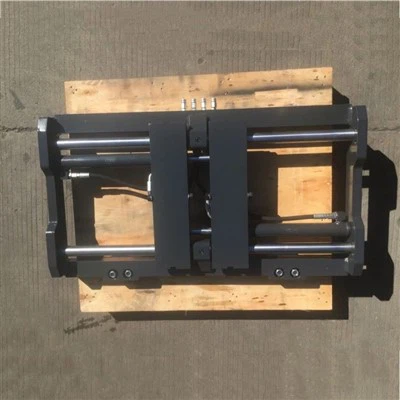
Before delving into load - securing techniques, it's important to understand what a push pull forklift is. A push pull forklift is equipped with a specialized attachment that uses slip sheet technology to handle loads. Instead of using pallets, goods are placed on thin, cardboard or plastic slip sheets. The push pull attachment has a clamp that grips the slip sheet, allowing the forklift to push the load onto a storage location or pull it off. There are different types of push pull forklifts available, such as the Quick Fork Mount Push Pull - Sheet Save Types and the Standard Push Pull Forklift. These attachments offer various features and capabilities to suit different load - handling requirements.
Pre - Operation Checks
- Inspect the Forklift and Attachment
- Before starting any load - handling task, thoroughly inspect the push pull forklift and its attachment. Check for any signs of damage, such as cracks in the frame, worn - out clamps, or hydraulic leaks. A damaged forklift or attachment can compromise the security of the load.
- Ensure that all moving parts, such as the push and pull mechanisms, are operating smoothly. Lubricate any necessary components as per the manufacturer's recommendations.
- Examine the Slip Sheets
- The quality of the slip sheets is crucial for load security. Check for any tears, holes, or excessive wear. A damaged slip sheet may not hold the load properly, leading to slippage.
- Make sure the slip sheets are of the appropriate size and thickness for the load. Using the wrong size can cause instability during handling.
Loading the Forklift
- Positioning the Forklift
- Align the forklift accurately with the load. The push pull attachment should be centered over the slip sheet. This ensures that the clamp will grip the slip sheet evenly.
- Approach the load slowly and steadily to avoid sudden impacts that could dislodge the goods.
- Gripping the Slip Sheet
- Once the attachment is in position, activate the clamp to grip the slip sheet firmly. The pressure applied by the clamp should be sufficient to hold the load securely but not so much as to damage the slip sheet.
- Check that the clamp is gripping the slip sheet all around the edges. Uneven gripping can lead to load imbalance.
- Lifting the Load
- After the slip sheet is securely gripped, lift the load slowly. Keep the load as low as possible to maintain stability. A high - lifted load is more prone to tipping over.
- Monitor the load during the lifting process. If there are any signs of movement or instability, stop immediately and re - check the grip on the slip sheet.
Securing the Load During Transport
- Maintain a Steady Speed
- Drive the forklift at a moderate and steady speed. Sudden acceleration or deceleration can cause the load to shift.
- Avoid sharp turns, as these can also lead to load instability. Make wide, smooth turns instead.
- Use the Right Route
- Plan your route in advance to avoid obstacles, uneven surfaces, or areas with high traffic. A bumpy or congested route can increase the risk of load displacement.
- Keep the Load Level
- Ensure that the load remains level throughout the transport. If the forklift has a tilt function, use it carefully to keep the load in a stable position.
Unloading the Forklift
- Positioning at the Destination
- Align the forklift with the storage location. The push pull attachment should be parallel to the surface where the load will be placed.
- Approach the destination slowly to avoid any impacts that could damage the load or the storage area.
- Releasing the Load
- Once in position, slowly release the clamp to push the load onto the storage surface. Make sure the load is placed evenly and stably.
- After the load is released, retract the attachment carefully to avoid hitting the load or the storage area.
Additional Tips for Load Security
- Load Distribution
- Distribute the weight of the load evenly on the slip sheet. Unevenly distributed loads are more likely to tip or slide.
- If possible, stack the goods in a way that the center of gravity is low and centered.
- Training for Operators
- Provide comprehensive training to forklift operators on how to use the push pull forklift and secure the load properly. Operators should be familiar with all the safety features and operating procedures.
- Regularly refresh the training to keep operators updated on the latest best practices.
- Use of Safety Devices
- Consider using additional safety devices, such as load stabilizers or straps, for particularly heavy or unstable loads. These can provide an extra layer of security.
Importance of Load Security
Properly securing the load on a push pull forklift is not only important for safety but also for cost - effectiveness. Unsecured loads can lead to damaged goods, which means financial losses for the business. Additionally, accidents caused by unsecured loads can result in injuries to operators and other workers, as well as potential legal liabilities.
By following these tips and best practices, you can ensure that your push pull forklift operations are safe and efficient. If you are in the market for a push pull forklift or need to upgrade your existing equipment, our company offers a wide range of high - quality Push - Pull Forklift Attachment – Streamline Load Handling with Slip Sheet Technology. We are committed to providing the best solutions for your load - handling needs.
If you have any questions or would like to discuss your specific requirements, please feel free to contact us. Our team of experts is ready to assist you in finding the right push pull forklift and ensuring that you can secure your loads effectively.
References
- Forklift Safety Manual, Occupational Safety and Health Administration (OSHA)
- Push Pull Forklift Manufacturer's Handbook
- Material Handling Best Practices Guide, Industry Standards Organization