Hey there, folks! As a supplier of push pull forklifts, I've seen my fair share of common problems that can pop up with these machines. In this blog, I'm gonna walk you through how to troubleshoot some of the most typical issues you might encounter with a push pull forklift.
1. Forklift Won't Start
One of the most frustrating things is when your push pull forklift just won't start. There could be a few reasons for this.
First off, check the battery. A dead or weak battery is a common culprit. Make sure the battery terminals are clean and tight. Corrosion on the terminals can prevent the proper flow of electricity. If the battery is old or doesn't hold a charge, it might be time for a replacement.
Another thing to look at is the starter motor. Listen for a clicking sound when you try to start the forklift. If you hear a click but the engine doesn't turn over, it could be a problem with the starter motor. You might need to have it tested or replaced.
The ignition switch is also something to consider. Sometimes, the switch can fail, and you won't be able to start the forklift. Check if the key turns smoothly in the ignition and if the dashboard lights come on when you turn the key to the "on" position. If not, the ignition switch might be bad.
2. Hydraulic System Issues
The hydraulic system is crucial for the operation of a push pull forklift, especially when it comes to lifting and moving loads.
If you notice that the forklift is having trouble lifting or lowering loads, the hydraulic fluid level could be low. Check the hydraulic fluid reservoir and add fluid if necessary. Make sure you're using the right type of hydraulic fluid recommended by the manufacturer.
Leaks in the hydraulic system can also cause problems. Look for any signs of fluid dripping or pooling around the hydraulic hoses, cylinders, or connections. If you find a leak, you'll need to identify the source and repair it. This could involve replacing a damaged hose or a faulty seal.
Sometimes, the hydraulic pump might be the issue. If the pump is not working properly, it won't be able to generate enough pressure to operate the hydraulic cylinders. You might hear a whining noise coming from the pump, which could indicate a problem. In this case, you'll probably need to have the pump inspected and possibly replaced.
3. Steering Problems
Steering is another important aspect of operating a push pull forklift. If you're having trouble steering the forklift, there are a few things to check.
The steering fluid level is a good place to start. Just like with the hydraulic system, low steering fluid can cause steering problems. Check the steering fluid reservoir and top it off if needed.
The steering gearbox can also wear out over time. If you notice that the steering is loose or feels "sloppy," it could be a problem with the gearbox. You might need to have it adjusted or replaced.
The tires can also affect steering. Make sure the tires are properly inflated and have enough tread. Uneven tire wear can cause the forklift to pull to one side, making it difficult to steer straight.
4. Push Pull Attachment Problems
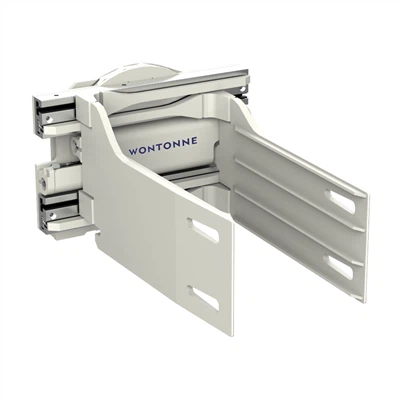
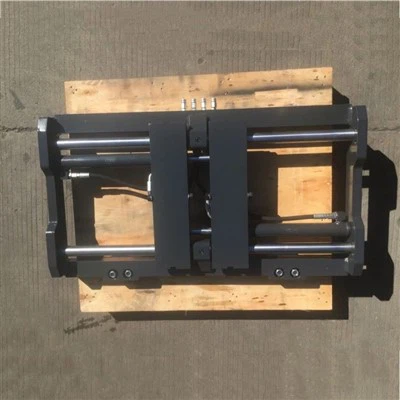
Since we're talking about push pull forklifts, the push pull attachment is a key component.
If the attachment is not working properly, it could be due to a mechanical issue. Check the linkage and connections on the attachment to make sure they're tight and in good condition. Loose or damaged connections can prevent the attachment from operating smoothly.


The hydraulic connections for the attachment are also important. Make sure the hoses are properly connected and there are no leaks. If the attachment is not getting enough hydraulic pressure, it won't be able to push or pull loads effectively.
Sometimes, the push pull mechanism itself can get jammed. Check for any debris or obstructions that might be preventing the mechanism from moving freely. Clean out any dirt or debris and lubricate the moving parts if necessary.
5. Electrical Problems
Electrical issues can cause a variety of problems with a push pull forklift.
Blown fuses are a common electrical problem. If a particular electrical component, like the lights or the horn, stops working, check the corresponding fuse. If the fuse is blown, replace it with a new one of the same amperage.
Wiring problems can also occur. Look for any frayed or damaged wires. A short circuit in the wiring can cause electrical components to malfunction or even prevent the forklift from starting. You might need to have a professional electrician inspect and repair the wiring.
The battery cables can also be a source of electrical problems. Make sure the cables are securely connected to the battery and that there is no corrosion on the terminals. Loose or corroded cables can cause a poor electrical connection, leading to starting and other electrical issues.
6. Maintenance Tips to Prevent Problems
To avoid these common problems, regular maintenance is key.
Make sure to follow the manufacturer's recommended maintenance schedule. This includes things like changing the oil, filters, and fluids at the appropriate intervals. Regular maintenance can help keep your push pull forklift running smoothly and prevent costly breakdowns.
Keep the forklift clean. Dirt and debris can accumulate on the forklift and cause problems over time. Regularly clean the forklift, especially the engine, hydraulic system, and electrical components.
Inspect the forklift before each use. Check for any obvious signs of damage or wear, such as loose parts, leaks, or tire damage. Catching problems early can prevent them from getting worse and causing more serious issues.
Conclusion
Well, there you have it - a rundown of some of the most common problems you might encounter with a push pull forklift and how to troubleshoot them. Remember, if you're ever unsure about how to fix a problem, it's always a good idea to consult a professional.
At our company, we're dedicated to providing high - quality push pull forklifts and excellent customer service. We offer a range of models, including the PLB20D Bag Load Push, Bag Load Push, and Standard Push Pull Forklift. If you're in the market for a new push pull forklift or need help with your existing one, don't hesitate to reach out to us. We're here to assist you with all your push pull forklift needs and are ready to have a discussion about your specific requirements and how we can meet them.
References
- Forklift Operator's Manuals
- Industry - standard forklift maintenance guides