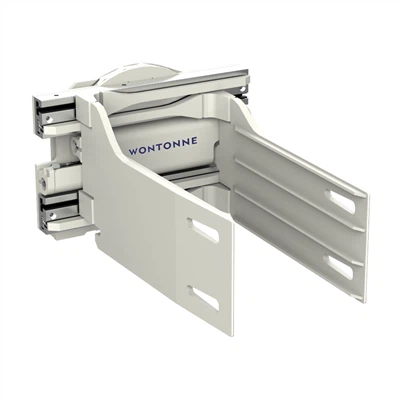
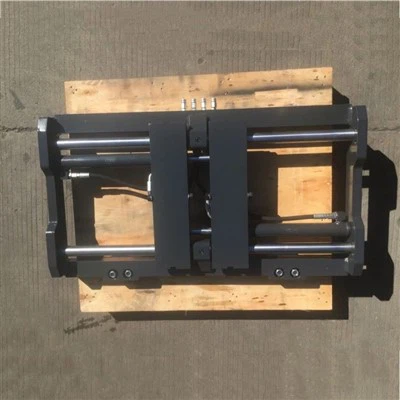
As a supplier of Forklift Goods Cages, I've witnessed firsthand the dynamic nature of the market and the numerous factors that influence the price of these essential industrial tools. In this blog, I'll delve into the key elements that play a role in determining the cost of forklift goods cages, providing insights that can help both buyers and industry enthusiasts understand the pricing landscape better.
Material Quality
One of the most significant factors affecting the price of forklift goods cages is the quality of the materials used in their construction. High - grade steel, for example, is more expensive than lower - quality alternatives. Steel with better corrosion resistance, higher tensile strength, and superior durability will command a premium price.
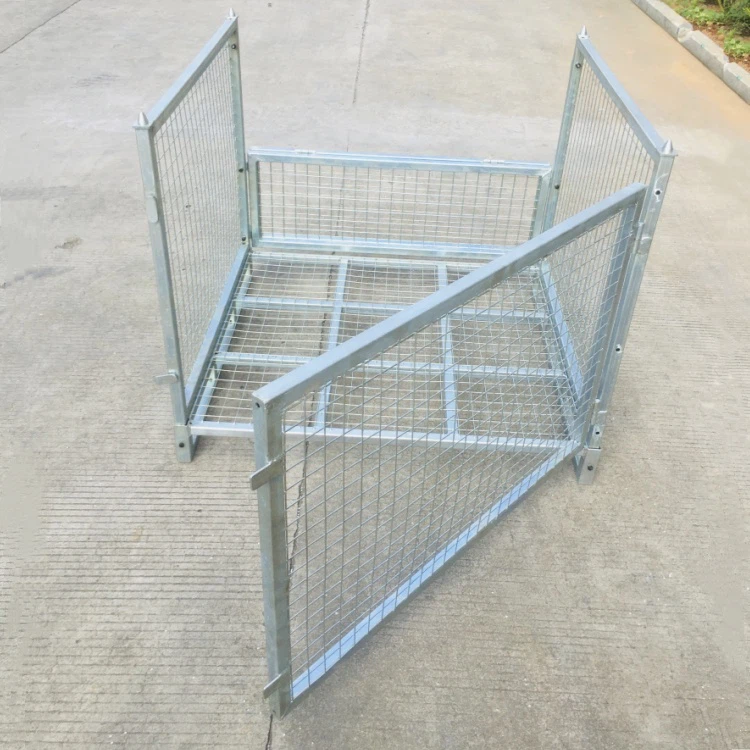

When we, as suppliers, choose to use top - notch materials, we ensure that the cages can withstand the rigors of daily industrial use. They are less likely to bend, break, or rust, which means a longer lifespan for the product. For instance, stainless steel cages are often more expensive than those made from mild steel. Stainless steel offers excellent resistance to corrosion, making it ideal for use in harsh environments such as food processing plants or outdoor storage areas.
On the other hand, using lower - quality materials may result in a cheaper initial price, but it can lead to higher long - term costs due to frequent repairs and replacements. As a supplier, we strive to balance the cost and quality of materials to offer our customers the best value for their money. You can explore our range of Forklift Goods Cages to see the different material options available.
Design Complexity
The design of a forklift goods cage also has a major impact on its price. Simple, standard designs are generally more affordable as they require less time and labor to manufacture. These cages typically have a basic rectangular shape with straightforward mesh or bar configurations.
However, custom - designed cages are often more expensive. They may be tailored to specific customer requirements, such as unique dimensions, special access points, or additional safety features. For example, a cage designed to carry irregularly shaped items may need a more complex internal structure to ensure stability during transportation.
Moreover, cages with advanced safety features like locking mechanisms, anti - fall guards, and reinforced frames will also cost more. These features are crucial for protecting both the goods being transported and the operators. Our Goods Cages come in a variety of designs, from standard to highly customized, to meet the diverse needs of our customers.
Manufacturing Process
The manufacturing process used to produce forklift goods cages can significantly affect their price. Automated manufacturing processes, which are highly efficient and can produce large quantities of cages in a short time, may result in lower costs per unit. These processes use advanced machinery and robotics to cut, weld, and assemble the components with high precision.
On the other hand, manual manufacturing processes are more labor - intensive and time - consuming. They are often used for custom - made or small - batch production. Skilled workers are required to perform tasks such as hand - welding and fitting, which increases the overall cost of production.
In addition, the quality control measures implemented during the manufacturing process also contribute to the price. Rigorous quality checks ensure that each cage meets the required standards and specifications. This may involve testing for structural integrity, load - bearing capacity, and safety features. As a supplier, we invest in high - quality manufacturing processes and strict quality control to ensure the reliability of our products.
Market Demand and Supply
The basic economic principle of supply and demand also plays a role in the pricing of forklift goods cages. When the demand for these cages is high and the supply is limited, prices tend to rise. This can happen during peak construction seasons or when there is a sudden increase in industrial activity.
Conversely, when the supply exceeds the demand, prices may drop. This could occur if there are many suppliers in the market or if new manufacturing technologies have increased production capacity. As a supplier, we closely monitor market trends to adjust our production levels and pricing strategies accordingly.
Brand and Reputation
The brand and reputation of a supplier can influence the price of forklift goods cages. Well - established brands with a long history of producing high - quality products often charge a premium for their cages. These brands have built trust with their customers through consistent quality, excellent customer service, and reliable after - sales support.
Customers are often willing to pay more for a product from a reputable brand because they believe they are getting a better - quality and more reliable product. As a supplier, we work hard to build and maintain our brand reputation by providing top - notch products and services. Our Forklift Safety Access Cage is a testament to our commitment to quality and safety.
Shipping and Logistics
Shipping and logistics costs are another factor that can affect the final price of forklift goods cages. The weight and size of the cages determine the shipping method and cost. Larger and heavier cages may require specialized transportation, such as flatbed trucks or container shipping, which can be more expensive.
In addition, the distance between the manufacturing facility and the customer's location also impacts the shipping cost. International shipments may involve additional fees such as customs duties and taxes. As a supplier, we try to optimize our shipping and logistics processes to minimize these costs for our customers.
Regulatory Requirements
Regulatory requirements can also add to the cost of forklift goods cages. Different regions and industries may have specific safety standards and regulations that the cages must comply with. For example, cages used in the food industry may need to meet strict hygiene standards, which may require the use of special materials or coatings.
Meeting these regulatory requirements often involves additional testing, certification, and compliance costs. As a supplier, we ensure that all our products meet the relevant regulatory standards, which may contribute to the overall price of the cages.
Conclusion
In conclusion, the price of forklift goods cages is influenced by a multitude of factors, including material quality, design complexity, manufacturing process, market demand and supply, brand and reputation, shipping and logistics, and regulatory requirements. As a supplier, we understand the importance of providing high - quality products at competitive prices.
We believe that by offering a wide range of options, from standard to custom - made cages, and by focusing on quality and customer service, we can meet the diverse needs of our customers. If you are in the market for forklift goods cages and want to discuss your specific requirements, we invite you to contact us for a detailed quote and to start a procurement discussion. We look forward to working with you to find the perfect solution for your industrial needs.
References
- Industrial Equipment Pricing Guide, 2023 Edition
- Safety Standards for Forklift Attachments, National Safety Council
- Market Trends in Forklift Accessories, Industry Research Report, 2023