Can carton clamps be used in cold storage environments? This is a question that many in the warehousing and logistics industry often ponder. As a supplier of carton clamps, I'm here to delve into this topic and provide you with comprehensive insights.
Understanding Carton Clamps
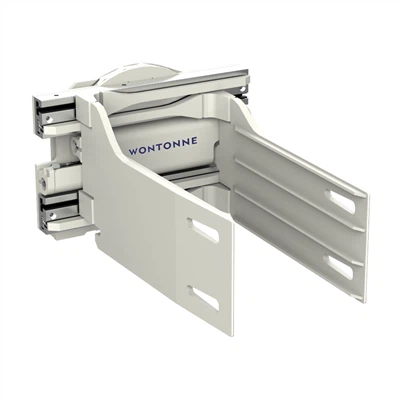
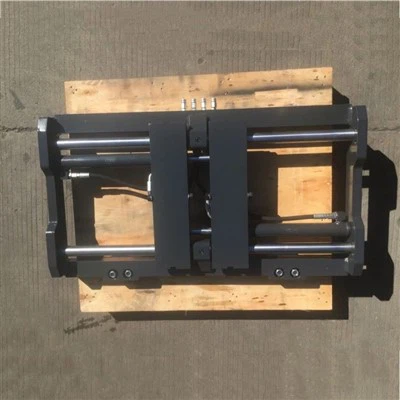
Carton clamps are essential hydraulic attachments for forklifts, designed to handle non - palletized loads such as cartons, boxes, and even some home appliances. They offer a more efficient and cost - effective way to move goods compared to traditional pallet - based handling methods. For instance, our 15E Home Appliance Clamps are specifically engineered to securely grip and transport home appliances, reducing the risk of damage during handling. Similarly, the 20E Carton Clamps are versatile tools suitable for a wide range of carton sizes and weights.
The Challenges of Cold Storage Environments
Cold storage environments present a unique set of challenges for equipment. Temperatures in cold storage facilities can range from just above freezing to well below zero degrees Celsius. These low temperatures can have a significant impact on the performance and durability of machinery.


Material Properties
At low temperatures, the physical properties of materials change. Metals become more brittle, which can increase the risk of cracking or breaking. For carton clamps, this means that the structural components such as the clamping arms and frames may be more susceptible to damage under stress. Rubber seals and gaskets, which are crucial for preventing hydraulic fluid leaks, can also harden and lose their flexibility, leading to potential leaks and reduced efficiency.
Hydraulic Systems
Hydraulic systems are the heart of carton clamps. However, cold temperatures can cause hydraulic fluids to thicken. Thickened fluid increases the resistance in the hydraulic lines, making it more difficult for the pump to circulate the fluid. This can result in slower operation of the carton clamp, longer response times, and in extreme cases, system failures.
Battery Performance
If the forklift or the carton clamp is battery - powered, cold temperatures can significantly reduce battery capacity and performance. Batteries discharge more quickly in the cold, and the charging process becomes less efficient. This means that operators may need to recharge the batteries more frequently, leading to downtime and reduced productivity.
Adaptations for Cold Storage Use
Despite these challenges, carton clamps can be effectively used in cold storage environments with the right adaptations.
Material Selection
When manufacturing carton clamps for cold storage use, we carefully select materials that can withstand low temperatures. For example, we use high - strength alloys that maintain their toughness and ductility even at sub - zero temperatures. Specialized rubber compounds are also used for seals and gaskets, which remain flexible in cold conditions, ensuring a reliable hydraulic system.
Hydraulic Fluid
We recommend using low - temperature hydraulic fluids in cold storage applications. These fluids have a lower viscosity at low temperatures, allowing them to flow more easily through the hydraulic system. This ensures smooth operation of the carton clamp and reduces the risk of system failures.
Insulation and Heating
In some cases, insulation and heating systems can be installed on the carton clamp or the forklift. Insulation helps to retain heat and prevent the components from getting too cold, while heating systems can be used to warm up critical parts such as the hydraulic fluid reservoir or the battery.
Case Studies: Success in Cold Storage
There are numerous examples of carton clamps being used successfully in cold storage environments. For instance, a large food distribution company was facing challenges in handling non - palletized food cartons in their cold storage facility. They were using traditional pallet - based methods, which were time - consuming and inefficient. After installing our Forklift Carton Clamp – Streamline Non - Palletized Handling in Warehouses and Logistics Centers, they were able to significantly improve their handling efficiency. The carton clamps were adapted for cold storage use, with the right materials and hydraulic fluids. As a result, they experienced a 30% increase in productivity and a significant reduction in product damage.
Maintenance in Cold Storage
Proper maintenance is crucial for ensuring the long - term performance of carton clamps in cold storage environments.
Regular Inspections
Operators should conduct regular visual inspections of the carton clamp before each use. Check for any signs of damage, such as cracks in the clamping arms or leaks in the hydraulic system. Pay special attention to the rubber seals and gaskets, as they are more likely to be affected by the cold.
Lubrication
Lubrication is essential to keep the moving parts of the carton clamp functioning smoothly. Use lubricants that are specifically designed for low - temperature use. Apply lubricant to the pivot points, joints, and other moving parts regularly.
Battery Care
If the carton clamp or the forklift is battery - powered, follow the manufacturer's recommendations for battery care in cold conditions. Keep the batteries charged, and store them in a warm place when not in use to maintain their performance.
Conclusion
In conclusion, carton clamps can indeed be used in cold storage environments. While there are challenges associated with low temperatures, these can be overcome through proper material selection, the use of appropriate hydraulic fluids, and regular maintenance. Our company has a proven track record of providing high - quality carton clamps that are suitable for cold storage applications.
If you are considering using carton clamps in your cold storage facility, we encourage you to contact us for more information. Our team of experts can help you select the right carton clamp for your specific needs and provide guidance on installation, operation, and maintenance. We are committed to helping you streamline your non - palletized handling processes and improve the efficiency of your cold storage operations.
References
- ASM Handbook Volume 2: Properties and Selection: Nonferrous Alloys and Special - Purpose Materials. ASM International.
- Hydraulic Fluid Technology: A Practical Guide. Gulf Publishing Company.
- Battery Technology Handbook. McGraw - Hill Education.