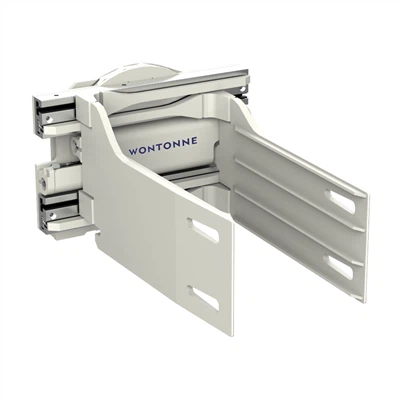
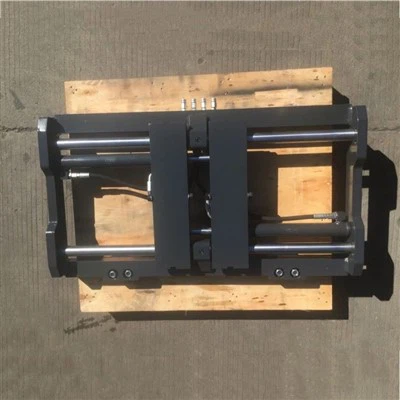
Hey there! As a supplier of Forklift Goods Cages, I've been getting a lot of questions lately about the installation requirements for these nifty pieces of equipment. So, I thought I'd put together this blog post to clear things up and give you all the info you need.
First off, let's talk about what forklift goods cages are and why they're so useful. Forklift goods cages are basically enclosures that you can attach to the forks of a forklift. They're designed to safely transport all sorts of goods, from small items to large and bulky loads. They provide an extra layer of security, preventing the goods from falling off the forks during transit. This not only protects the goods but also the people working in the vicinity. You can check out our range of Goods Cages on our website.
Now, onto the installation requirements. The first thing you need to consider is the compatibility of the cage with your forklift. Not all cages are suitable for every type of forklift. You need to make sure that the cage is designed to fit the make and model of your forklift. This includes checking the fork pockets of the cage. The width and depth of the fork pockets should match the dimensions of your forklift's forks. If the fork pockets are too small, the cage won't fit properly on the forks. On the other hand, if they're too large, the cage may be unstable and pose a safety risk.
Another important factor is the weight capacity. Your forklift has a maximum weight capacity, and you need to ensure that the combined weight of the cage and the goods it will carry does not exceed this limit. Overloading the forklift can lead to serious accidents, such as tipping over. So, before you install the cage, check the weight capacity of both the cage and your forklift. You can usually find this information in the product manual or on the manufacturer's website. Our Forklift Goods Cages come with clear weight capacity specifications to help you make the right choice.
In addition to the physical fit and weight capacity, you also need to consider the installation process itself. Most forklift goods cages are designed to be relatively easy to install. However, it's still important to follow the manufacturer's instructions carefully. Some cages may require additional hardware or tools for installation. Make sure you have all the necessary items on hand before you start.
One of the key steps in the installation process is securing the cage to the forklift forks. This is usually done using locking mechanisms or safety pins. These features are designed to prevent the cage from accidentally slipping off the forks during operation. Make sure that the locking mechanisms are properly engaged and that the safety pins are in place. It's also a good idea to do a quick check of the cage's stability after installation. Gently shake the cage to see if it feels secure on the forks. If there's any excessive movement or rattling, you may need to adjust the installation.
Safety is always a top priority when it comes to using forklift goods cages. That's why it's important to have the right safety features in place. For example, some cages come with gates or doors that can be locked to prevent the goods from falling out. These gates should be easy to open and close but also secure enough to keep the goods inside. Additionally, the cage should have proper ventilation to prevent the buildup of fumes or heat, especially if you're transporting items that may generate these.
If you're using a forklift goods cage for personnel access, such as for maintenance or inspection work, you need to make sure that it meets the relevant safety standards. Our Forklift Safety Access Cage is designed with these safety requirements in mind. It has features like guardrails, non - slip surfaces, and secure handholds to ensure the safety of the person inside the cage.
Regular maintenance of the forklift goods cage is also crucial. After each use, check the cage for any signs of damage, such as cracks, bent bars, or loose fittings. If you notice any issues, repair or replace the damaged parts as soon as possible. This will help to ensure the continued safe and effective use of the cage.


Now, let's talk about some common mistakes to avoid during the installation and use of forklift goods cages. One of the biggest mistakes is not reading the manufacturer's instructions. These instructions are there for a reason, and they provide valuable information on how to install and use the cage safely. Another mistake is not inspecting the cage regularly. As I mentioned earlier, regular inspections can help you catch any potential problems before they become serious.
Also, don't forget about training. If your employees will be using the forklift goods cages, make sure they receive proper training on how to install, use, and maintain them. This training should cover safety procedures, the correct way to load and unload goods, and how to operate the forklift with the cage attached.
In conclusion, installing a forklift goods cage requires careful consideration of several factors, including compatibility with your forklift, weight capacity, proper installation techniques, and safety features. By following these guidelines and taking the necessary precautions, you can ensure that your forklift goods cage is installed correctly and used safely.
If you're in the market for a high - quality forklift goods cage, we've got you covered. Our range of Forklift Goods Cages is designed to meet the diverse needs of our customers. Whether you're looking for a cage for general goods transportation or a safety access cage for personnel, we have the right solution for you.
If you have any questions or would like to discuss your specific requirements, feel free to reach out to us. We're here to help you make the best choice for your business.
References
- Manufacturer's product manuals for forklift goods cages
- Industry safety standards and guidelines for forklift operation and attachment use