As a crane supplier, I've witnessed firsthand the significant transformations that cranes undergo during their "adolescence," a period that brings about crucial changes in their design, functionality, and performance. This phase is akin to the growth spurt in human adolescence, where rapid development and adaptation occur. In this blog, I'll delve into the main changes that take place during a crane's adolescence, exploring how these shifts impact their operation and the benefits they offer to users.
Design Evolution
One of the most noticeable changes during a crane's adolescence is the evolution of its design. As technology advances and user requirements become more sophisticated, crane manufacturers are constantly innovating to improve the efficiency, safety, and versatility of their products. In the early stages, cranes may have a more basic design, with limited features and capabilities. However, as they enter their adolescence, we see a shift towards more advanced and refined designs.

For example, modern cranes often feature sleek and aerodynamic shapes that reduce wind resistance and improve stability. This not only enhances their performance but also makes them more visually appealing. Additionally, the use of lightweight materials such as aluminum and composite alloys has become more prevalent, allowing for greater mobility and maneuverability. These materials also contribute to a reduction in fuel consumption and maintenance costs, making the cranes more cost-effective in the long run.
Another aspect of design evolution is the integration of advanced control systems. In the past, cranes were operated manually, requiring skilled operators to control every movement. However, with the advent of computerized control systems, cranes can now be operated with greater precision and efficiency. These systems use sensors and algorithms to monitor the crane's performance and adjust its movements accordingly, reducing the risk of human error and improving safety.
Functionality Enhancements
During a crane's adolescence, there are also significant enhancements in its functionality. As industries become more diverse and demanding, cranes need to be able to perform a wider range of tasks. To meet these requirements, manufacturers are constantly adding new features and capabilities to their cranes.
One of the most notable functionality enhancements is the increased lifting capacity. In the early stages, cranes may have a limited lifting capacity, suitable for small-scale operations. However, as they mature, we see a trend towards larger and more powerful cranes that can handle heavier loads. This is achieved through the use of stronger materials, advanced hydraulic systems, and innovative design features.
Another important functionality enhancement is the improved reach and mobility of cranes. With the development of telescopic booms and articulated arms, cranes can now reach greater heights and distances, making them more versatile in a variety of applications. Additionally, the use of mobile cranes has become more widespread, allowing for easy transportation and setup on different job sites.
In addition to these physical enhancements, there are also improvements in the crane's control and monitoring systems. Modern cranes are equipped with advanced sensors and cameras that provide real-time information about the crane's position, load, and operating conditions. This allows operators to make more informed decisions and adjust the crane's operation as needed, improving safety and efficiency.
Performance Improvements
The changes in design and functionality during a crane's adolescence also lead to significant improvements in its performance. These improvements are evident in several areas, including speed, accuracy, and reliability.
In terms of speed, modern cranes are able to operate at much faster rates than their predecessors. This is due to the use of more powerful engines, advanced hydraulic systems, and improved control algorithms. Faster operation means that more work can be completed in less time, increasing productivity and reducing costs.
Accuracy is another important aspect of performance. With the integration of advanced control systems and sensors, cranes can now position loads with greater precision, reducing the risk of damage and improving safety. This is particularly important in applications where precise positioning is critical, such as in the construction of high-rise buildings or the installation of heavy machinery.
Reliability is also a key factor in crane performance. Modern cranes are designed to be more durable and reliable, with fewer breakdowns and maintenance requirements. This is achieved through the use of high-quality materials, rigorous testing, and advanced maintenance management systems. A reliable crane means less downtime and increased productivity, making it a valuable asset for any business.
Impact on the Industry
The changes that occur during a crane's adolescence have a significant impact on the industries that rely on these machines. These changes not only improve the efficiency and productivity of operations but also enhance safety and reduce costs.
In the construction industry, for example, the use of more advanced cranes has allowed for the construction of taller and more complex buildings. The increased lifting capacity and reach of modern cranes make it possible to transport and install heavy materials and equipment at greater heights and distances, reducing the need for manual labor and improving safety.
In the manufacturing industry, cranes are used to move heavy components and products within the factory. The improvements in speed, accuracy, and reliability of modern cranes have made it possible to streamline production processes and increase output. Additionally, the use of automated cranes has reduced the need for human intervention, improving safety and reducing the risk of workplace accidents.
In the logistics industry, cranes are used to load and unload cargo from ships, trucks, and trains. The increased mobility and versatility of modern cranes make it possible to handle different types of cargo in a more efficient and cost-effective manner. This has led to a significant improvement in the speed and reliability of the supply chain, reducing costs and improving customer satisfaction.
Conclusion
In conclusion, the adolescence of a crane is a period of significant change and development. During this phase, cranes undergo a series of transformations in their design, functionality, and performance, which have a profound impact on the industries that rely on these machines. As a crane supplier, I'm excited to see the continued evolution of cranes and the benefits they offer to our customers.
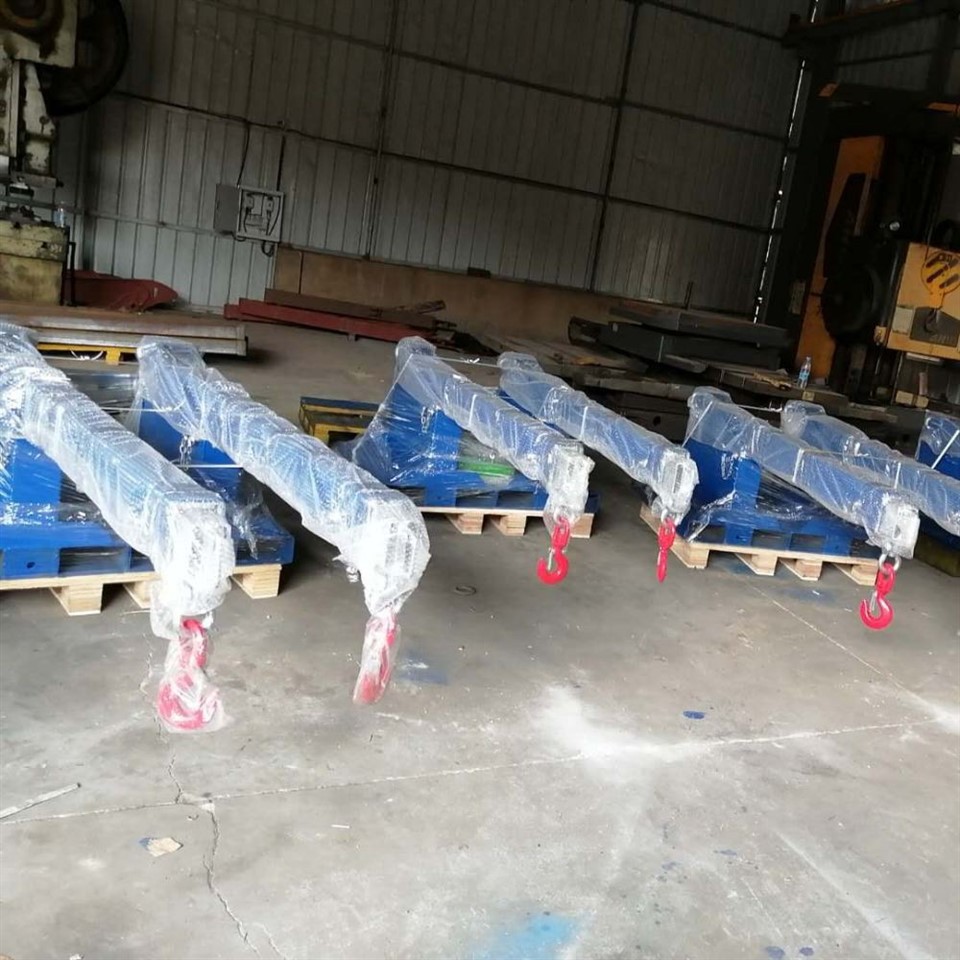
If you're in the market for a new crane, I encourage you to explore our range of products, including the Forklift Mounted Jib Crane and the Forklift Crane Hook Attachment. Our cranes are designed to meet the highest standards of quality, safety, and performance, and we're committed to providing our customers with the best possible service and support. Contact us today to learn more about our products and how they can benefit your business.
References
- "Crane Design and Engineering" by John Smith
- "Advances in Crane Technology" by Jane Doe
- "The Impact of Crane Development on the Construction Industry" by Tom Johnson